Modern Decks
2026 · Various contemporary artists
Thousands of decks, every art style imaginable — and almost all of them speak the same language underneath.
The contemporary art-deck explosion — thousands of decks, almost all RWS-based under the paint.
One test tells you whether a deck reads like Sage. Look at two cards before you buy.
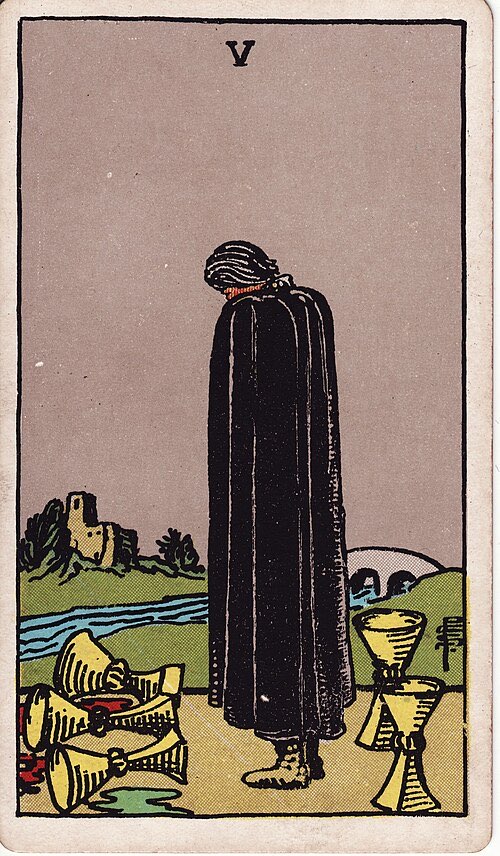
Look for: A figure mourning spilled cups
✓ RWS-based — reads like Sage
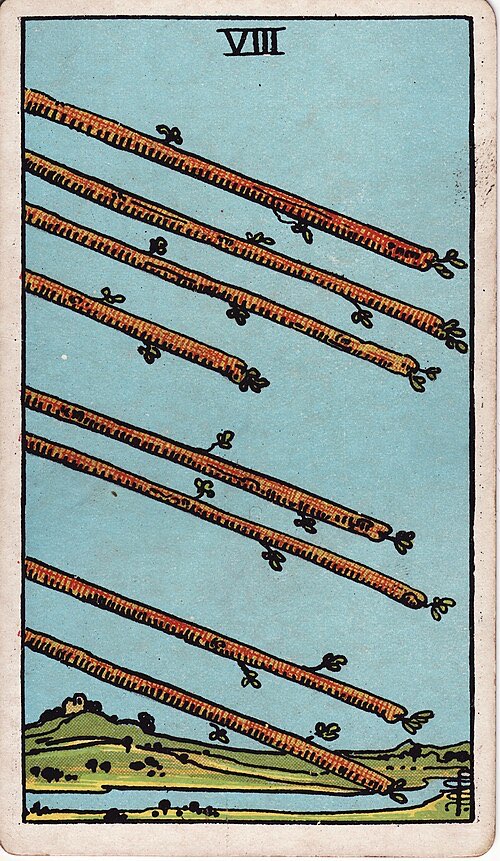
Look for: A scene, not just eight bare wands
✓ Illustrated Minors — beginner-friendly
A few of the famous ones — all RWS-based
- The Wild UnknownSpare animal-and-nature imagery; hugely popular, RWS-based.
- The Light Seer's TarotWarm, contemporary, diverse figures; RWS-based.
- Modern Witch TarotBright, fashion-forward, inclusive; a close RWS clone.
- Radiant / Universal / CommemorativeThe original Rider-Waite, just re-inked.
Which deck should you actually get?
- Get an RWS-based deckSo your deck and every guide you read — Sage included — speak the same language. A classic Rider-Waite recoloring is the safest start.
- Pick art you genuinely want to look atYou'll spend hundreds of hours with these pictures. Beauty is not frivolous here — it's what keeps you practicing.
- Check the Minors are illustratedLook at the Five of Cups or Eight of Wands. A scene means RWS-based and beginner-friendly; bare pips mean a harder first road.
- Skip Thoth as a first deckThoth is stunning but assumes knowledge you're still building. Come to it later.
How it relates to what Sage reads
The longer history
Thousands of decks, every art style imaginable — and almost all of them speak the same language underneath. Once you know that, the tarot wall stops being intimidating and starts being fun.
"RWS-based" — the words that unlock the wall
The vast majority of decks published in the last century are RWS-based: they keep Pamela Colman Smith's scenes and meanings and simply redraw them in a new art style. If a deck's Five of Cups shows a figure mourning spilled cups, it's RWS-based — the art changed, the language didn't. This is the single most useful fact for a new reader: the deck you fall in love with for its art will almost certainly read exactly like Rider-Waite-Smith, which means it reads exactly like Sage. Pick the pictures you want to sit with; keep the common tongue.
A few of the famous modern decks
- The Wild Unknown — spare, animal-and-nature imagery; hugely popular, RWS-based.
- The Light Seer's Tarot — warm, contemporary, diverse figures; RWS-based.
- Modern Witch Tarot — bright, fashion-forward, inclusive; a close RWS clone.
- The Rider-Waite recolorings — the Radiant, Universal, and Smith-Waite Commemorative are the original, just re-inked.
These are a handful of thousands. The point isn't the list — it's that nearly every one of them is a new coat of paint on the same 1909 structure.
Which deck should you actually get?
The honest, practical answer:
- Get an RWS-based deck so your deck and every guide you read (Sage included) speak the same language. When in doubt, a classic Rider-Waite recoloring is the safest possible start.
- Pick the art you genuinely want to look at. You'll spend hundreds of hours with these pictures — the "right" deck is the one you're drawn to open. Beauty is not a frivolous criterion here; it's what keeps you practicing.
- Make sure the Minors are illustrated. Check the Five of Cups or the Eight of Wands: if there's a scene, it's RWS-based and beginner-friendly. If it's bare pips, it's a Marseille-style deck — a harder first road.
- Skip Thoth as a first deck. Thoth is stunning but assumes knowledge you're still building; come to it later.
Sage's stance
Sage doesn't care which art you hold — only which language it's drawn in. Read Sage with any RWS-based deck and the card meanings line up perfectly. The deck is yours to love; the tradition underneath is the part that has to match.
Whichever deck you hold, the card meanings are here — the whole library, RWS all the way down.