Rider-Waite-Smith
1909 · Arthur Edward Waite · illustrated by Pamela Colman Smith
The deck Sage reads — the first to draw a scene on all seventy-eight cards, and now the common tongue of tarot.
★ The deck Sage reads
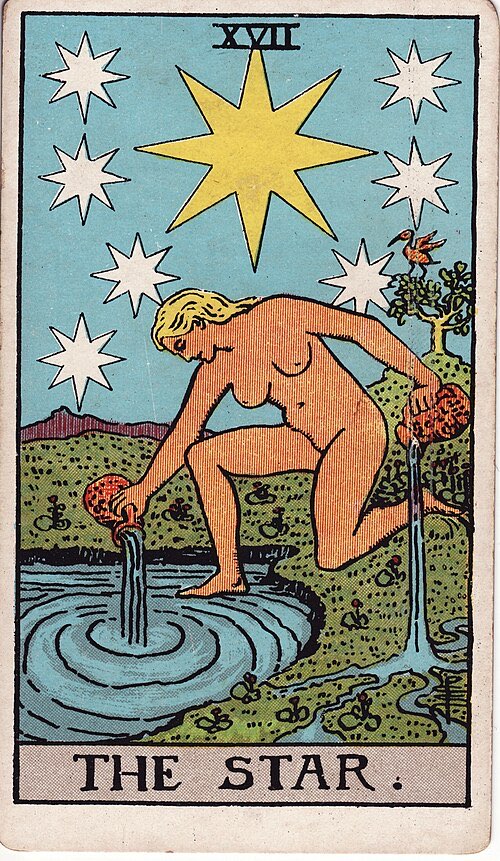
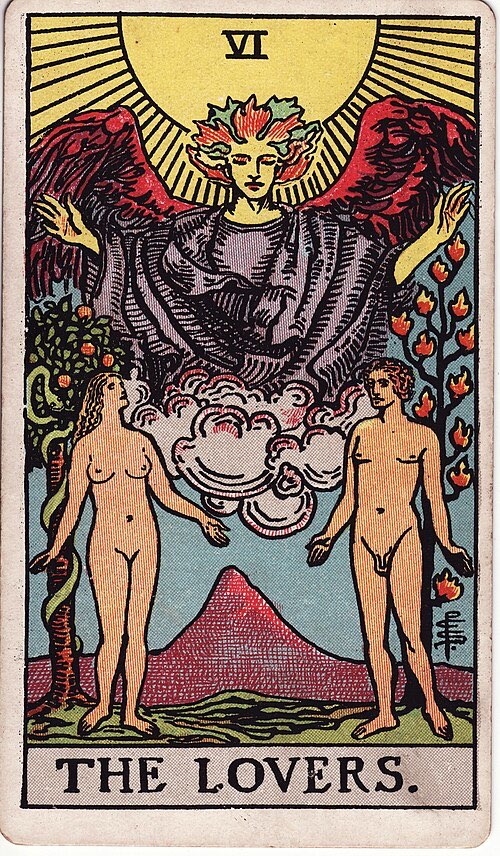
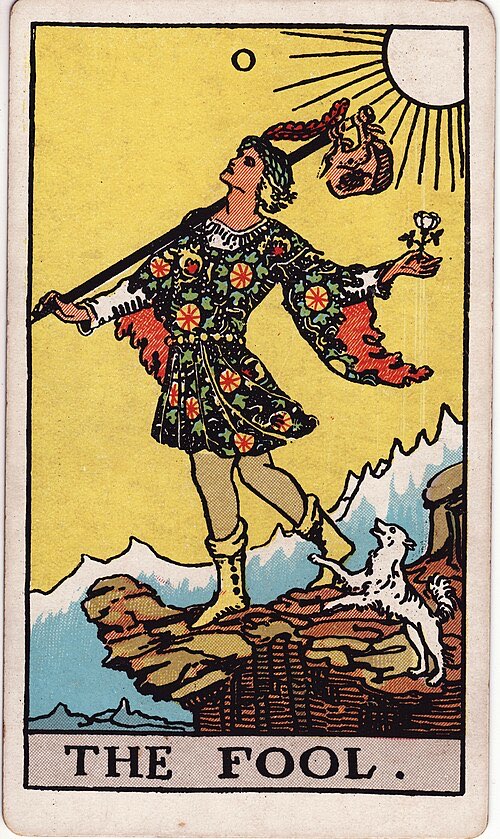
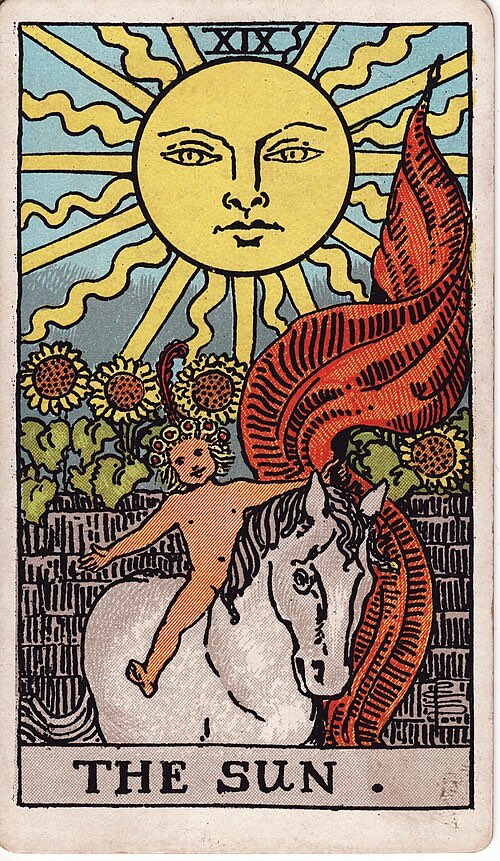
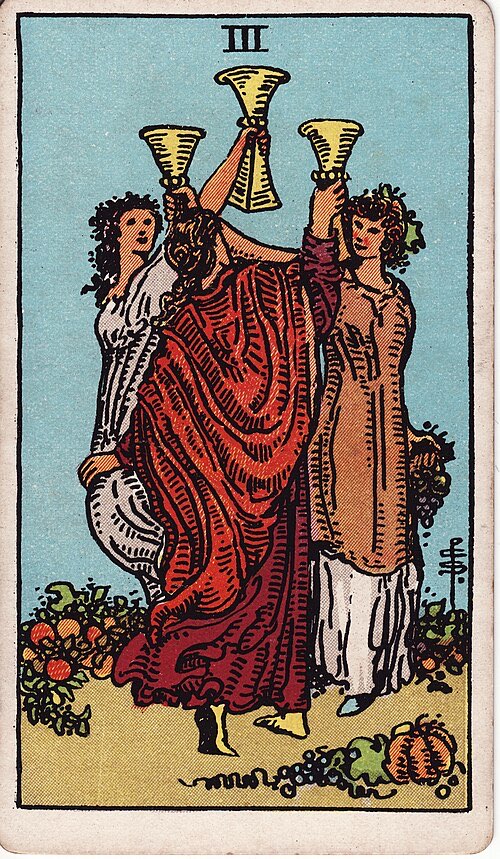
The illustrated-scene standard — Golden Dawn correspondences drawn as legible pictures on all seventy-eight cards.
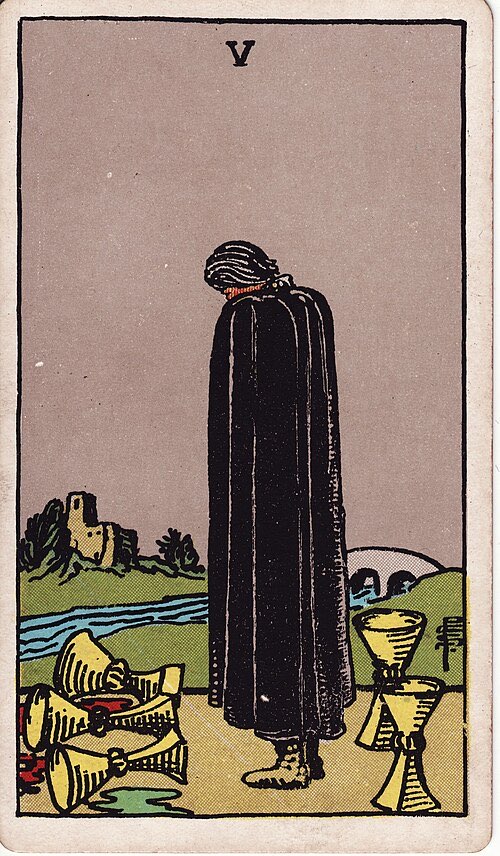
Smith's revolution · the Five of Cups
Five cups in a bare pattern, like a playing card — you supplied the meaning from memory.
One choice — a scene on every card — is why RWS became the standard, and why a beginner can read a card by looking at what's happening in it.
The hidden scaffold
Underneath the pictures runs a deliberate structure — the Golden Dawn's system of correspondences, which is why the cards braid so naturally with the sky.
See the whole braid in Correspondences — the sky Sage reads alongside the cards.
Explore all seventy-eight
The whole deck, fully pictured. Filter by arcana or suit, then open any card for its upright gift, its reversed shadow, and how Sage reads it.
- The Fool
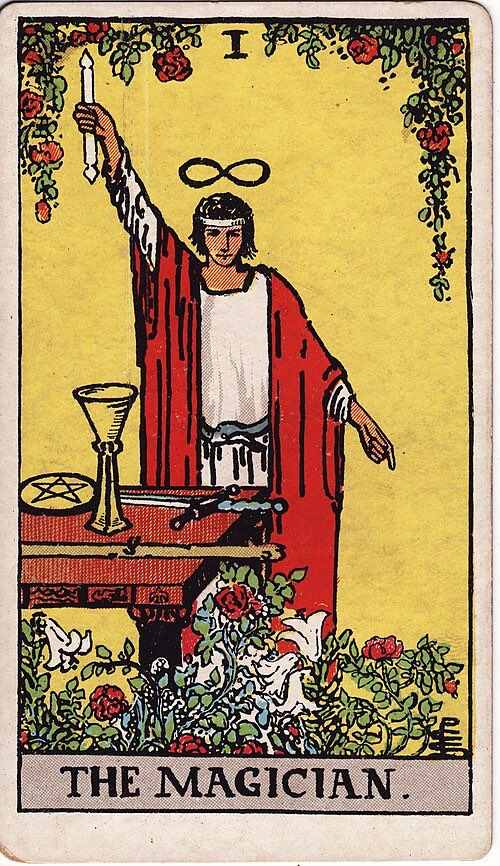 The Magician
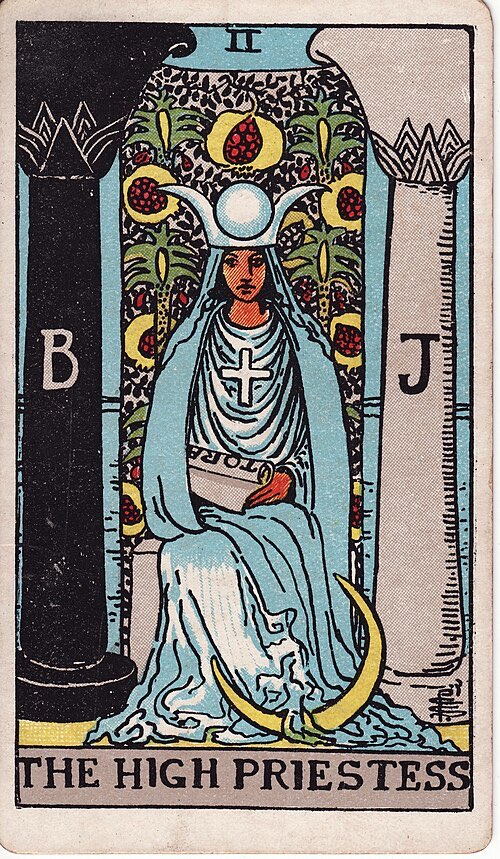 The High Priestess
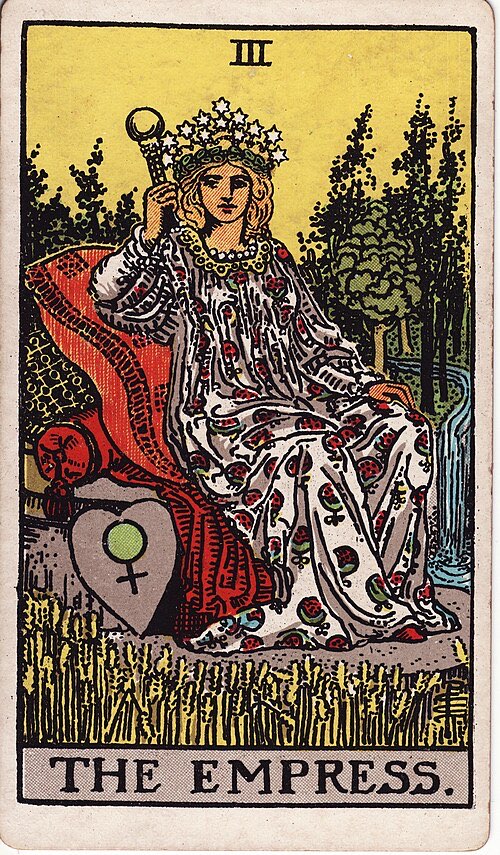 The Empress
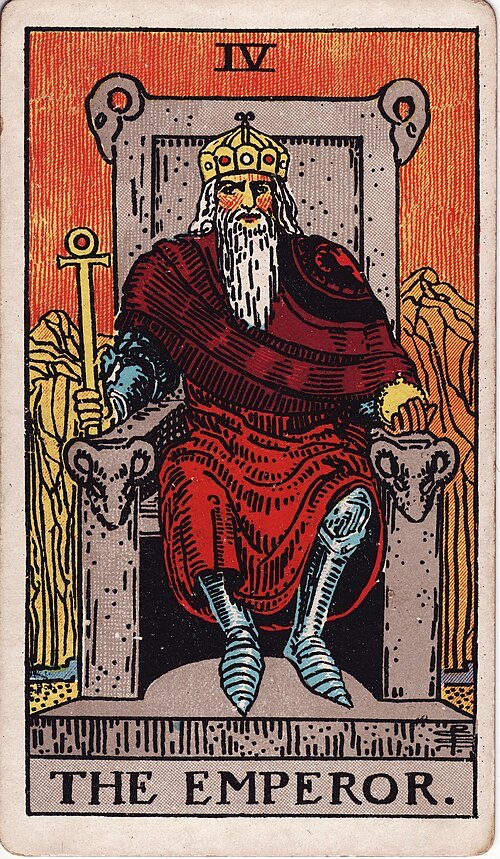 The Emperor
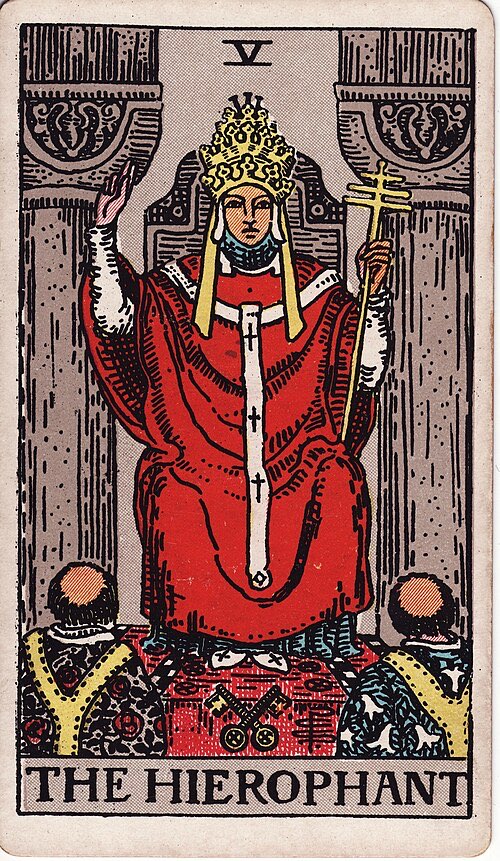 The Hierophant
- The Lovers
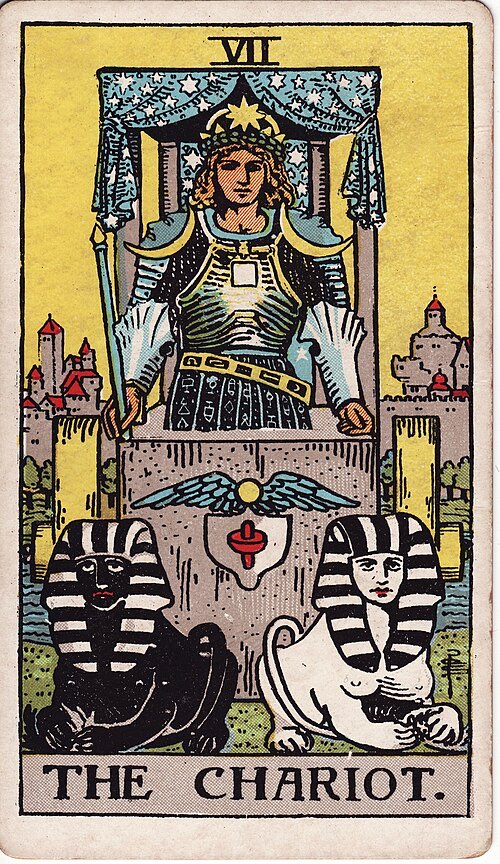 The Chariot
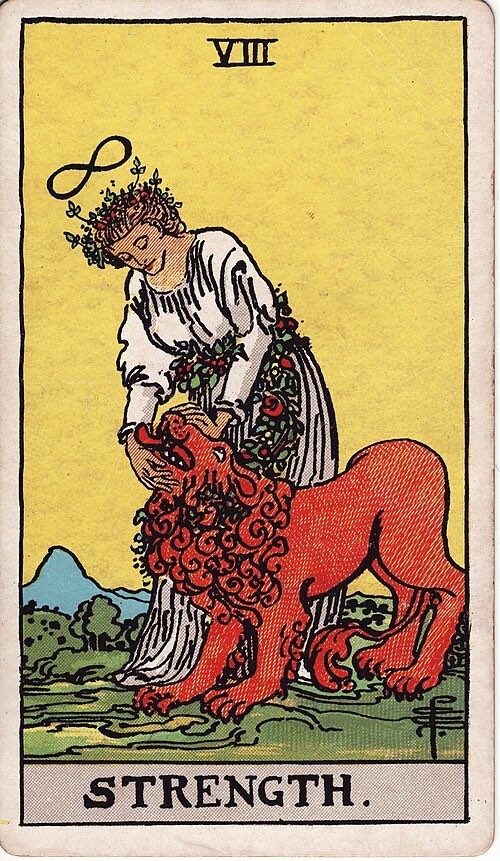 Strength
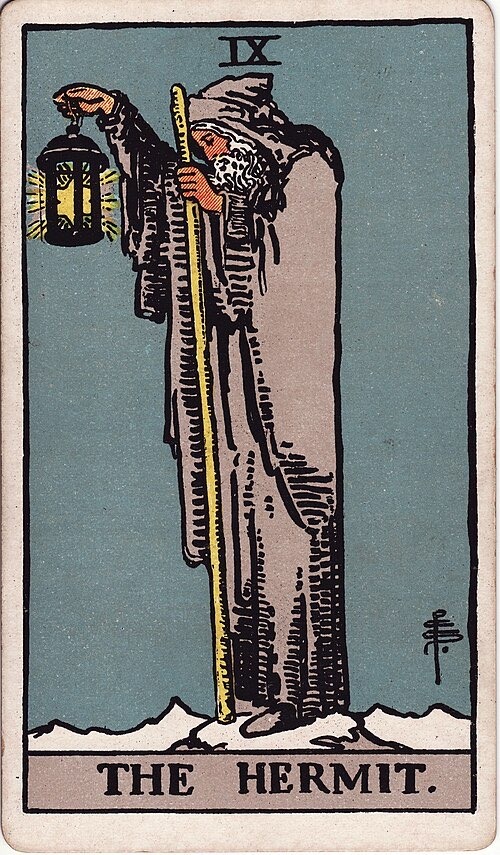 The Hermit
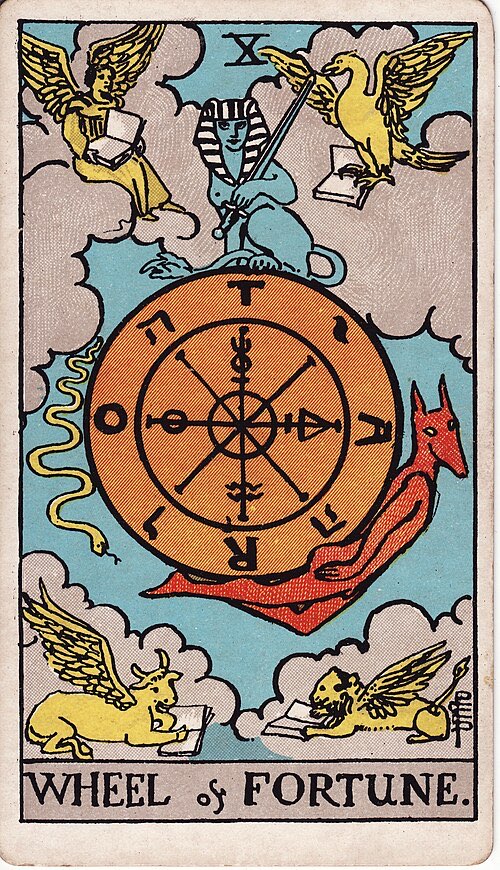 Wheel of Fortune
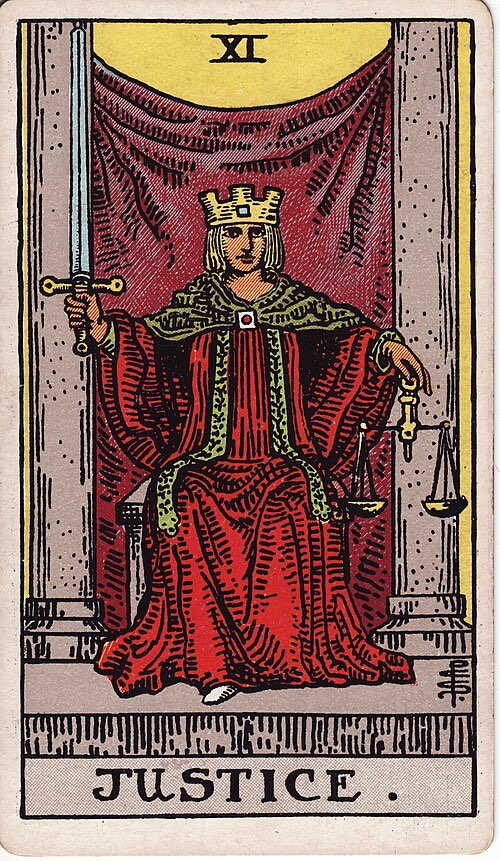 Justice
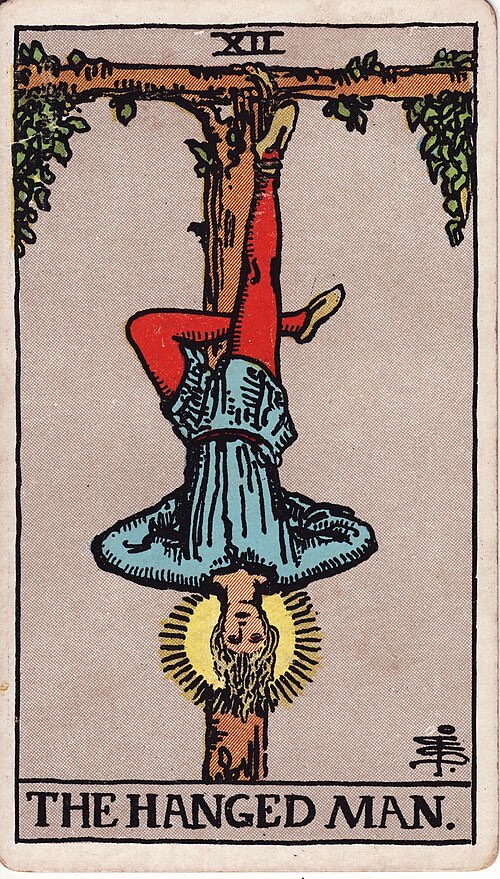 The Hanged Man
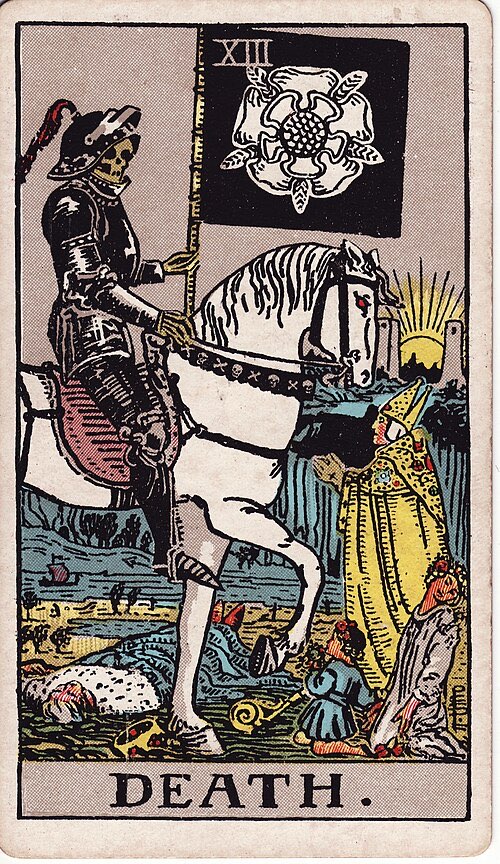 Death
Death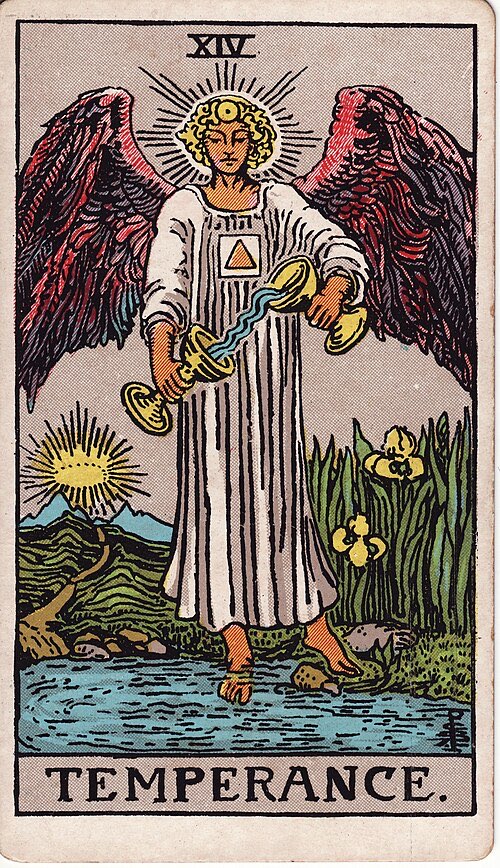 Temperance
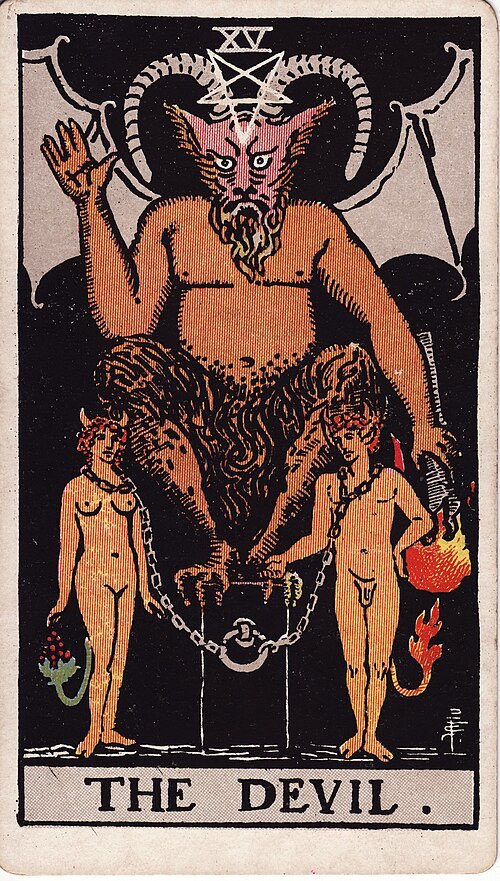 The Devil
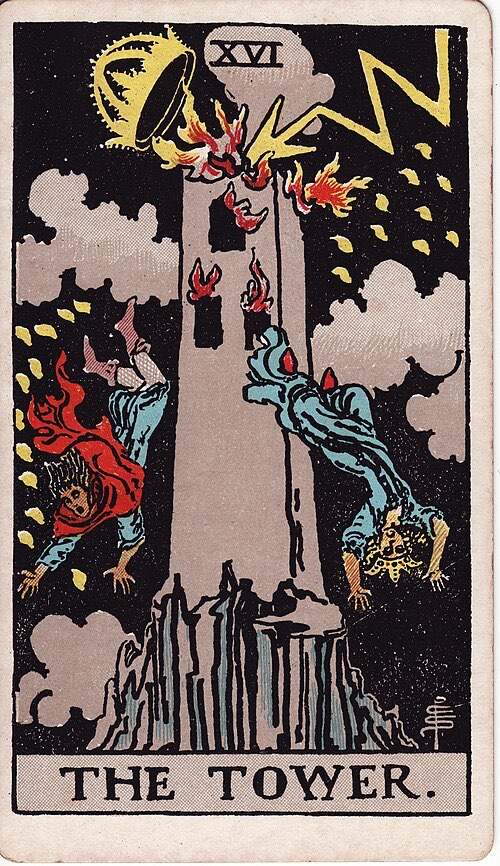 The Tower
- The Star
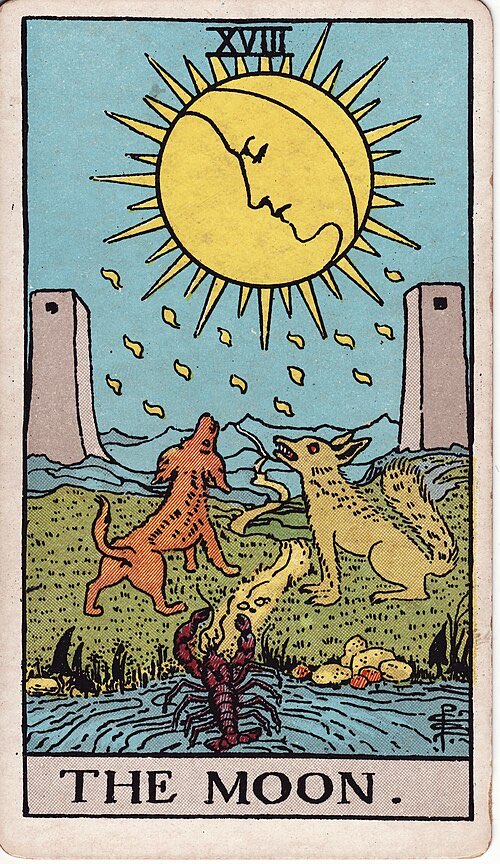 The Moon
- The Sun
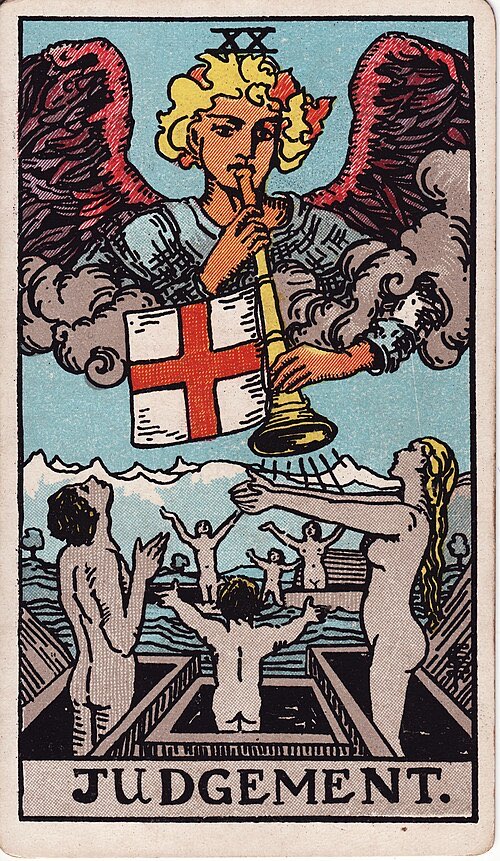 Judgement
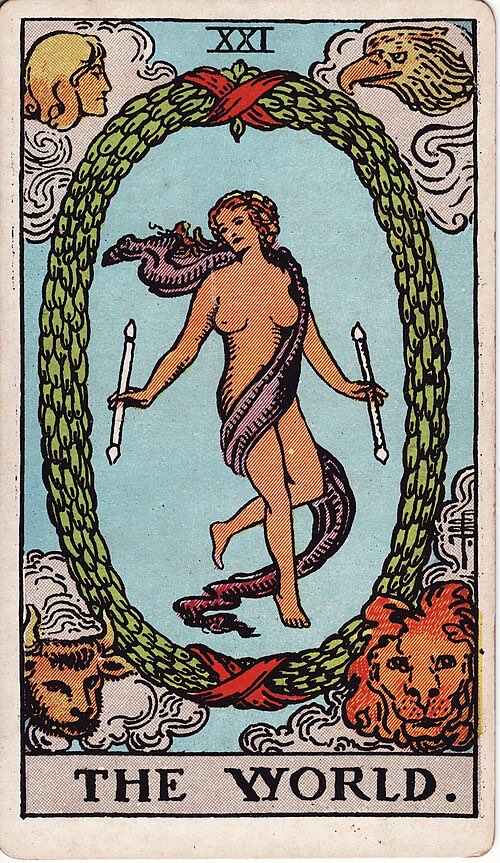 The World
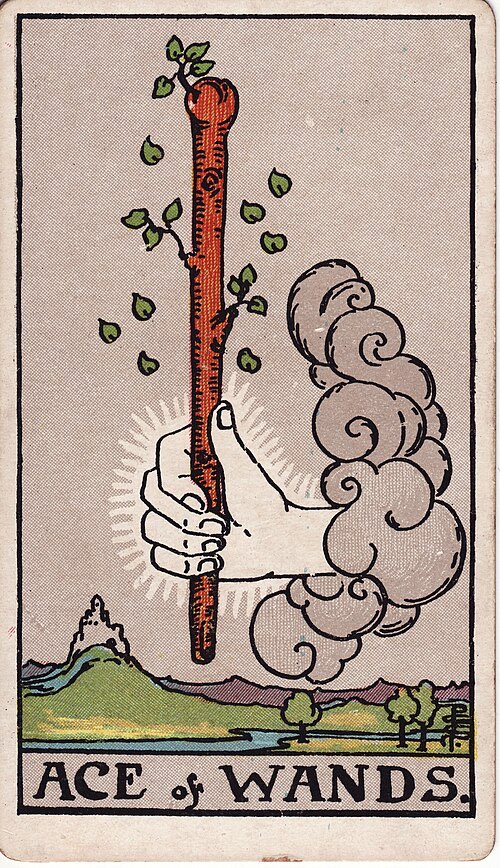 Ace of Wands
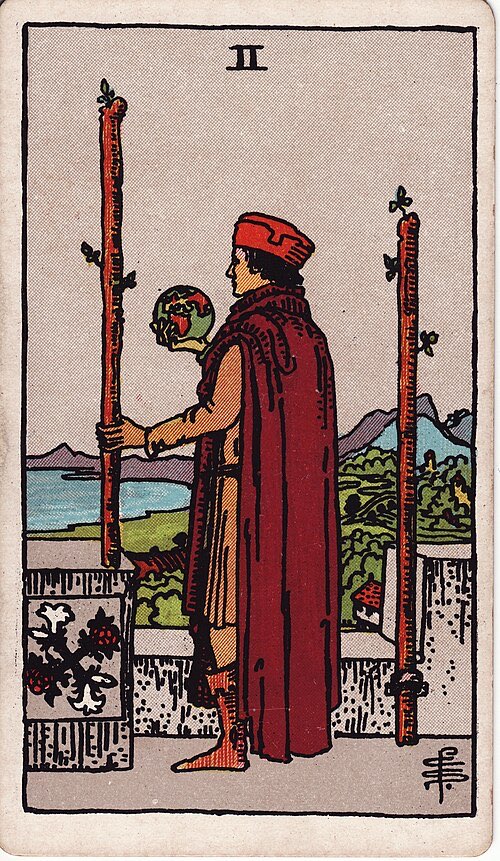 Two of Wands
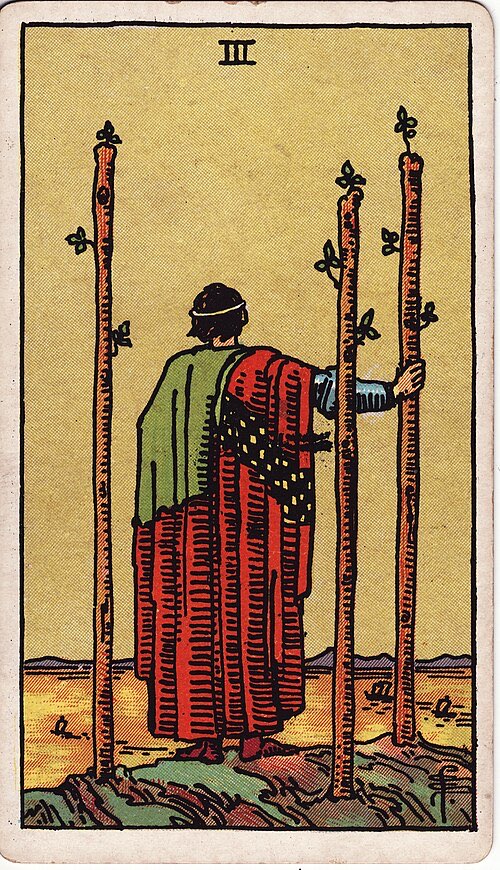 Three of Wands
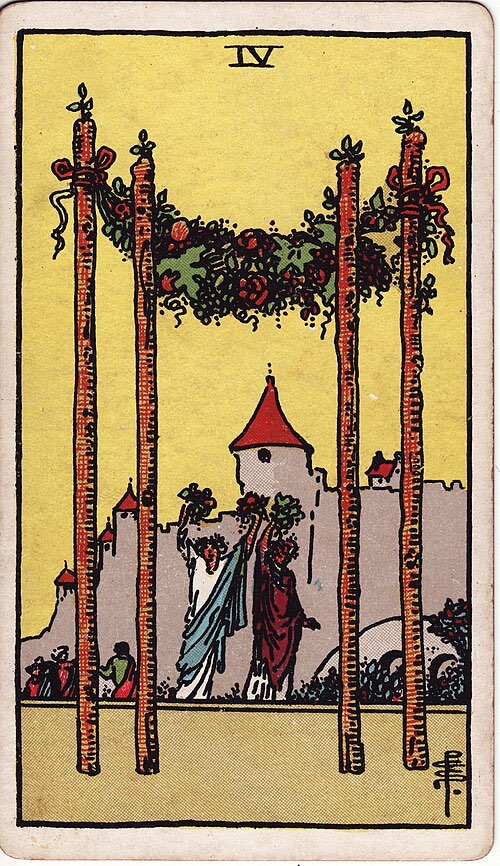 Four of Wands
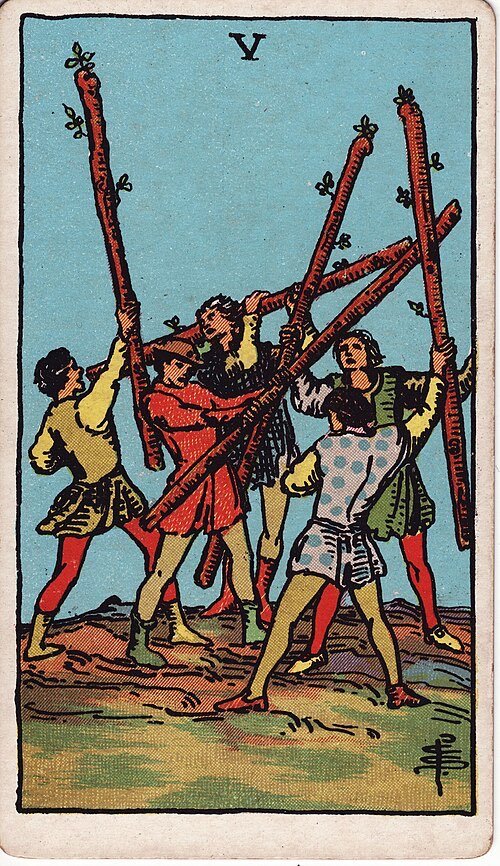 Five of Wands
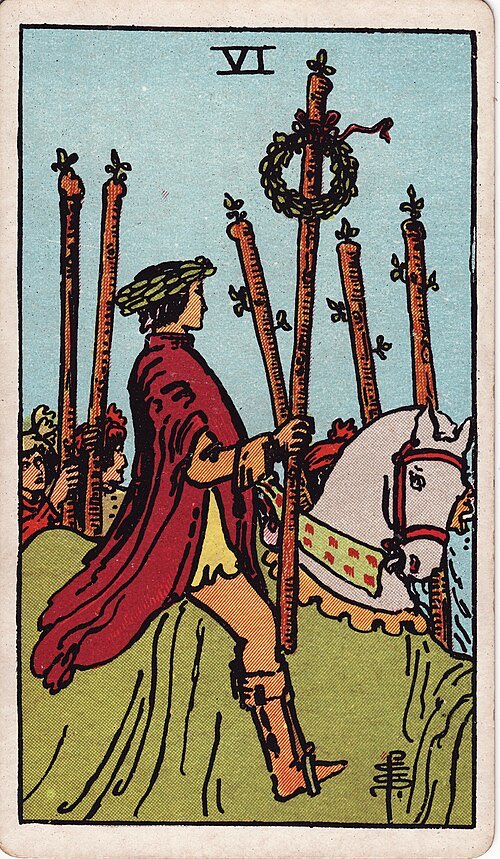 Six of Wands
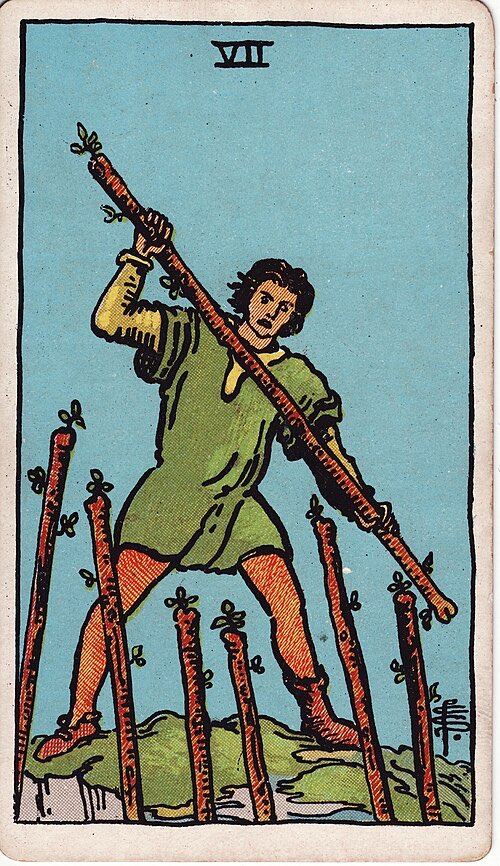 Seven of Wands
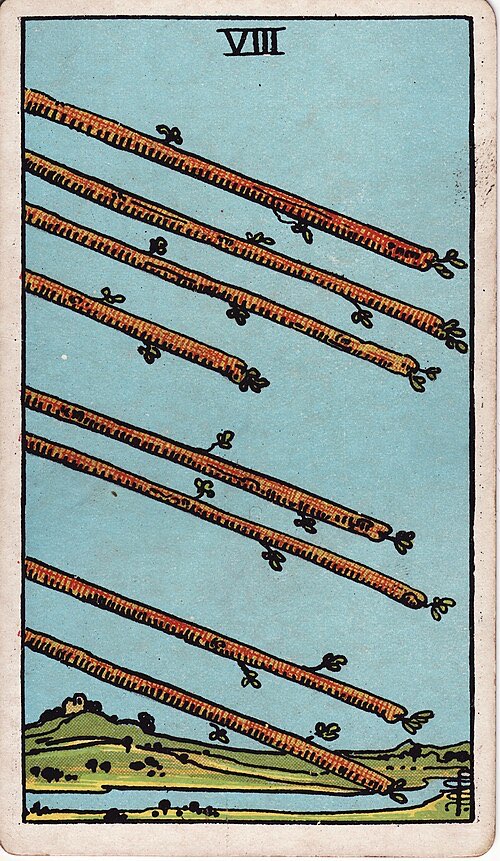 Eight of Wands
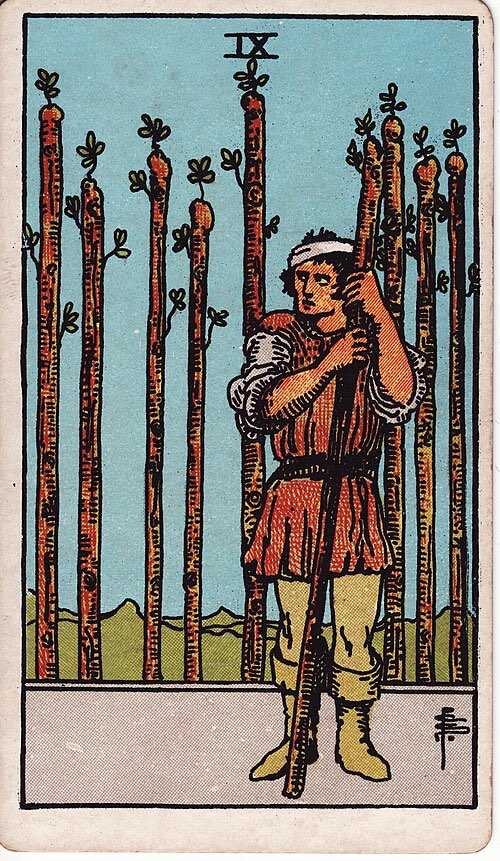 Nine of Wands
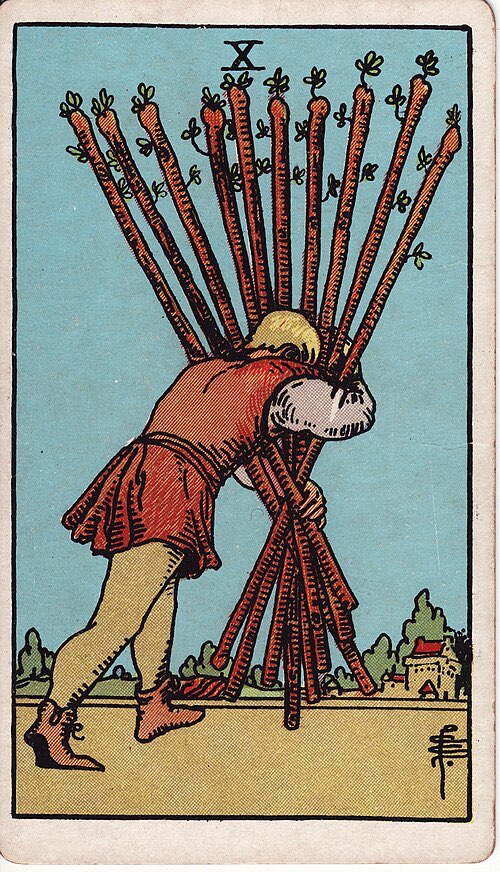 Ten of Wands
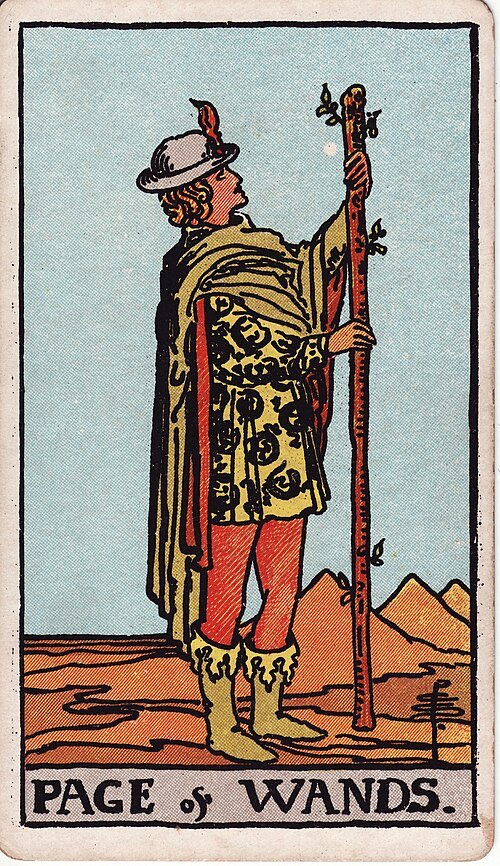 Page of Wands
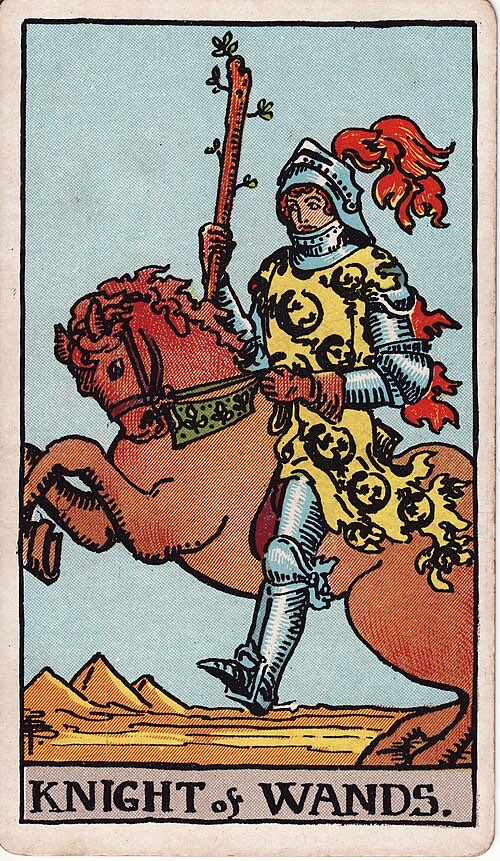 Knight of Wands
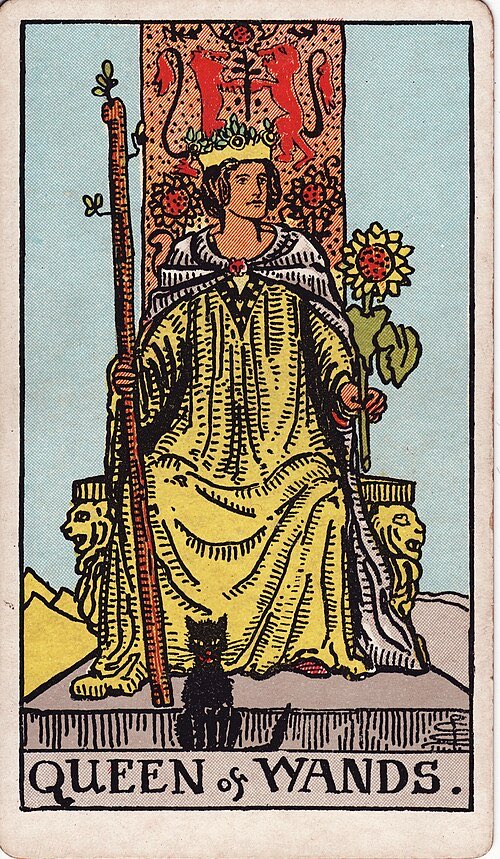 Queen of Wands
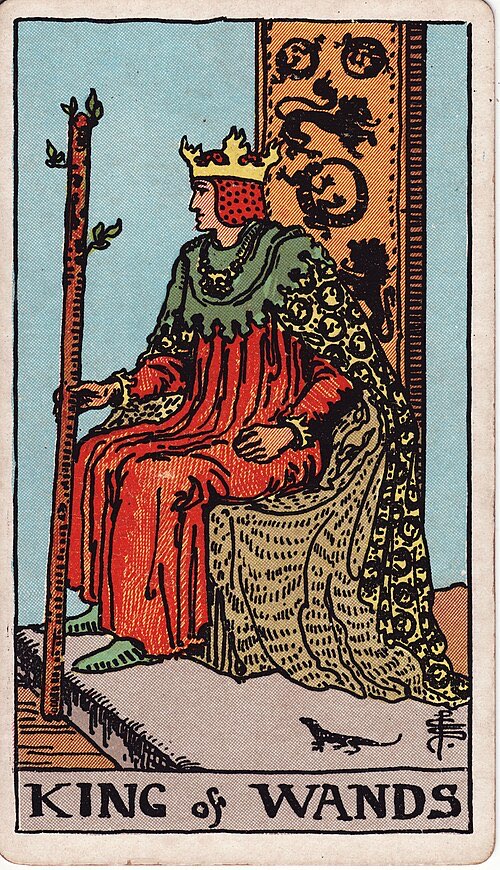 King of Wands
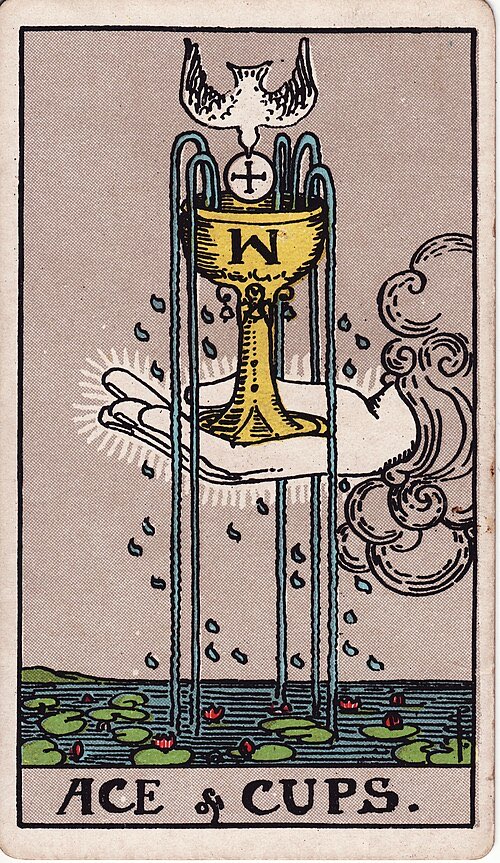 Ace of Cups
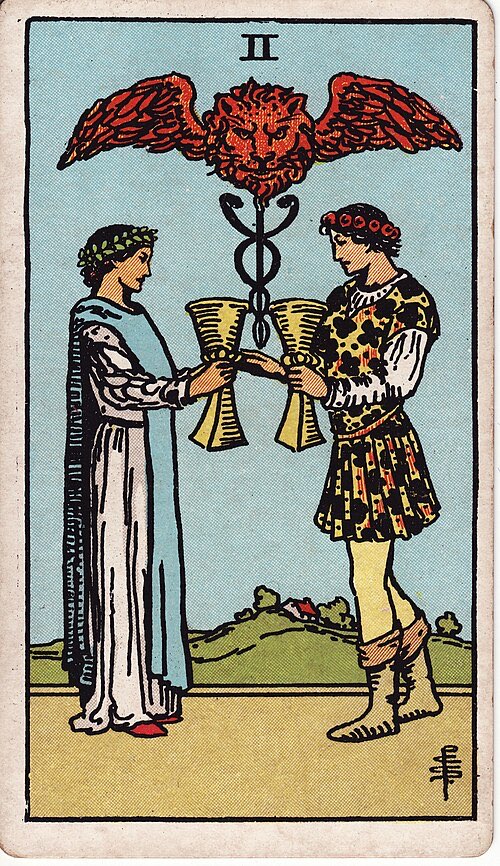 Two of Cups
- Three of Cups
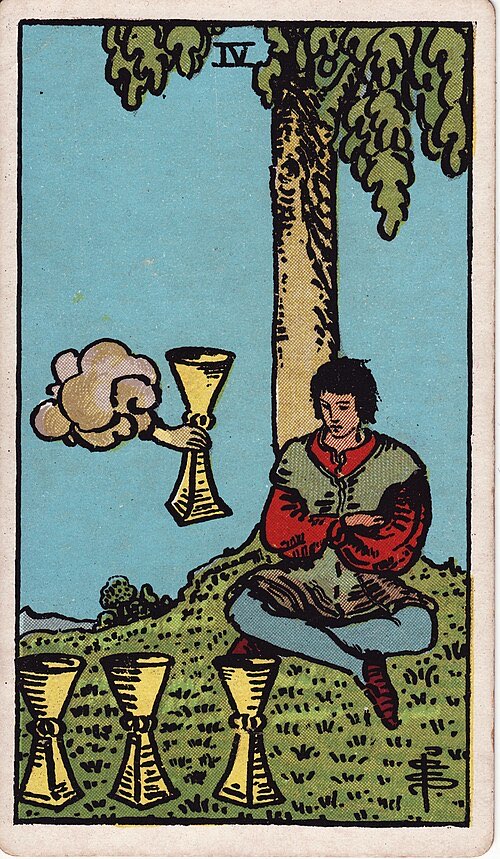 Four of Cups
- Five of Cups
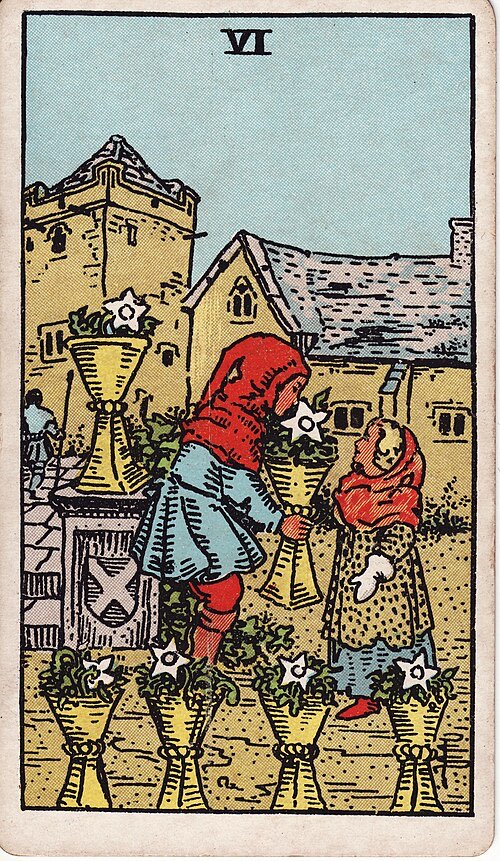 Six of Cups
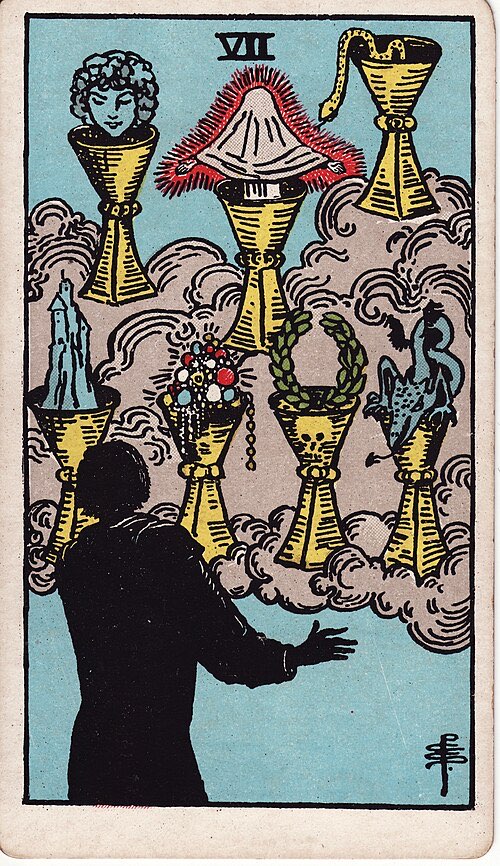 Seven of Cups
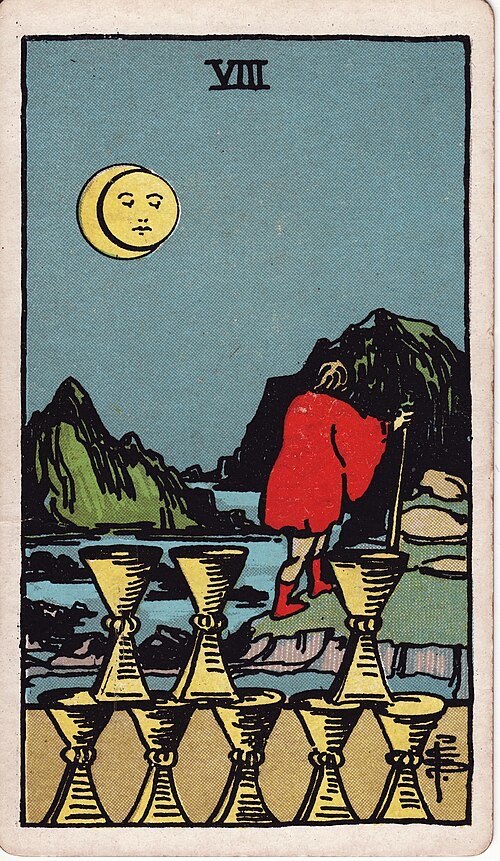 Eight of Cups
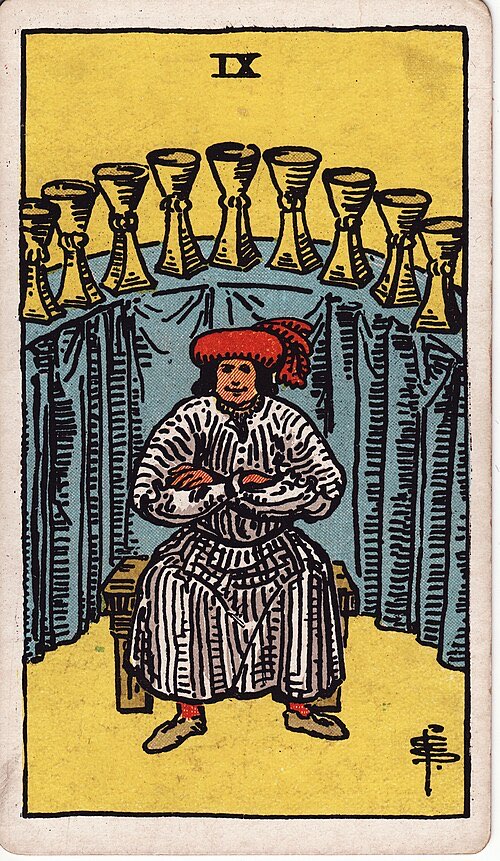 Nine of Cups
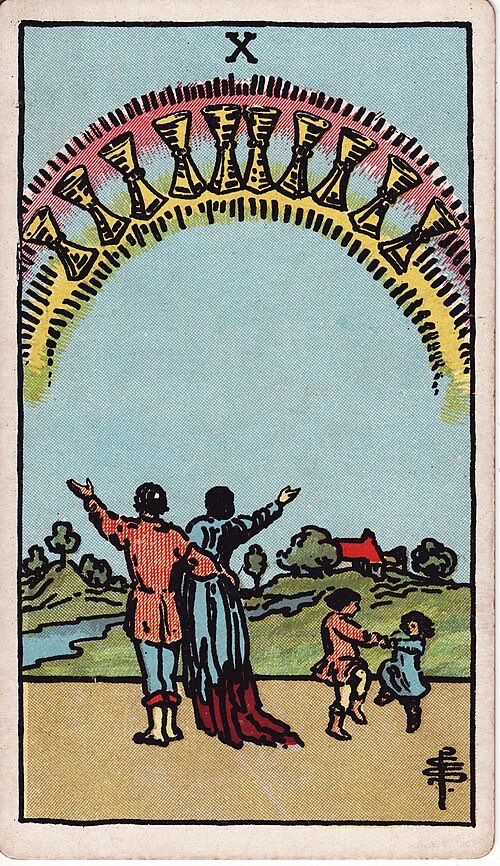 Ten of Cups
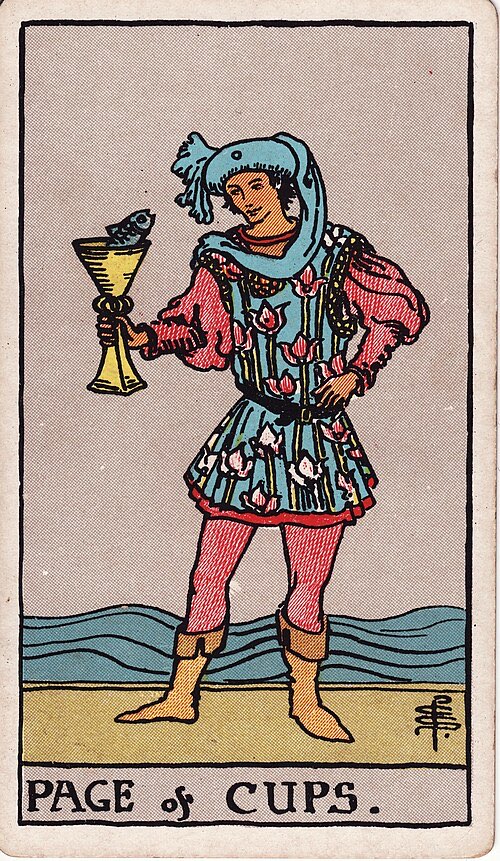 Page of Cups
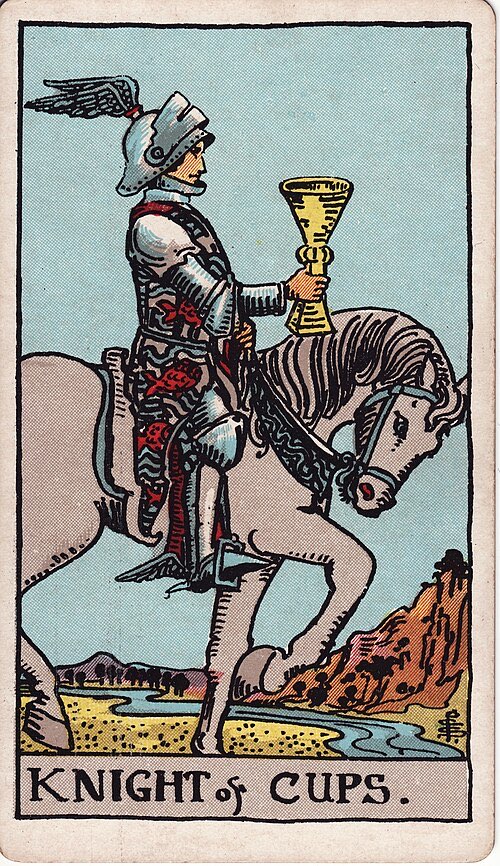 Knight of Cups
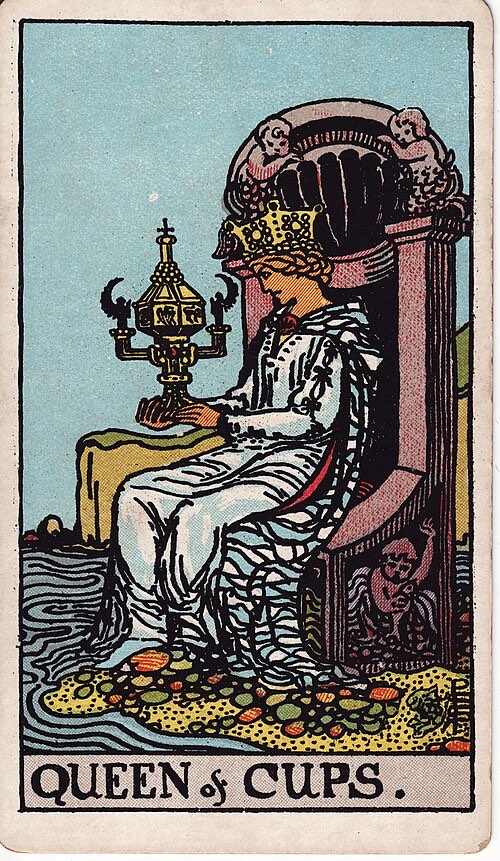 Queen of Cups
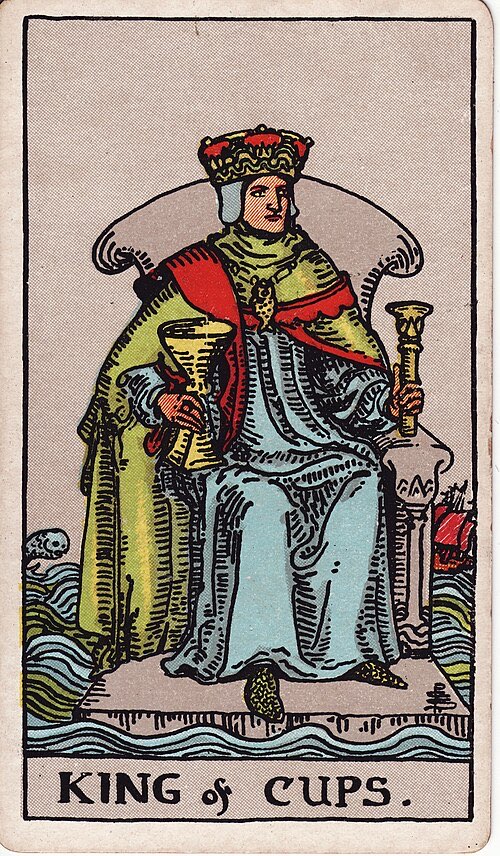 King of Cups
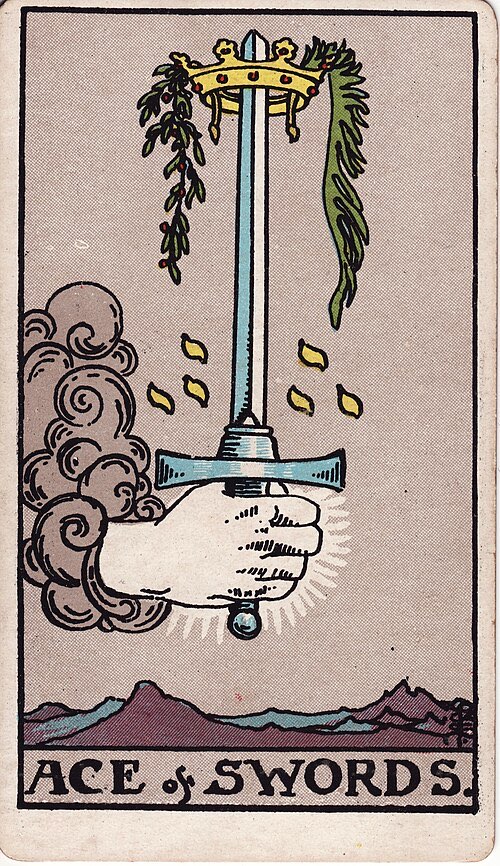 Ace of Swords
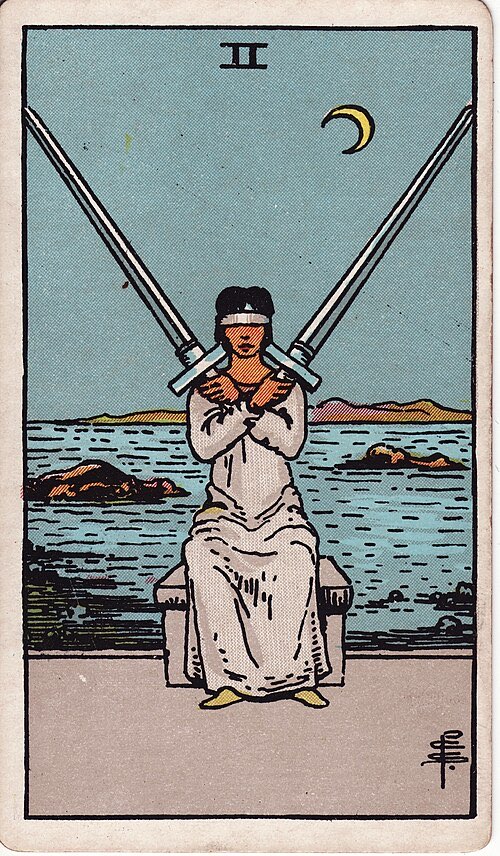 Two of Swords
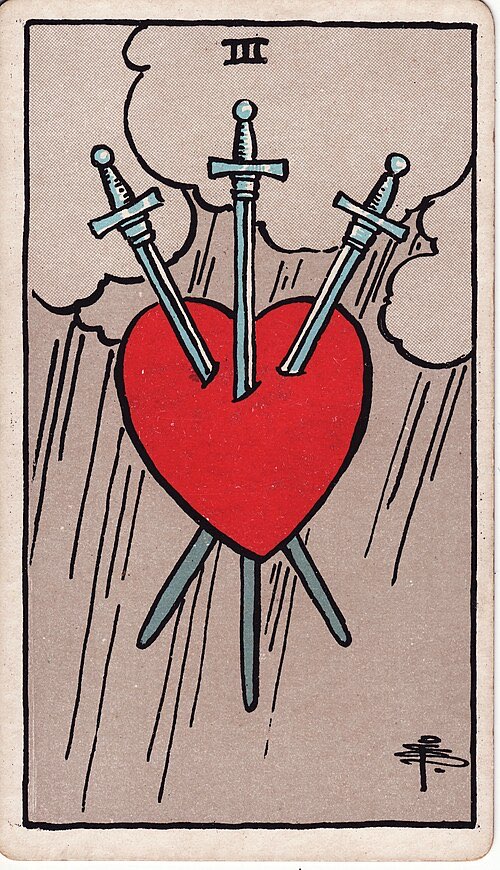 Three of Swords
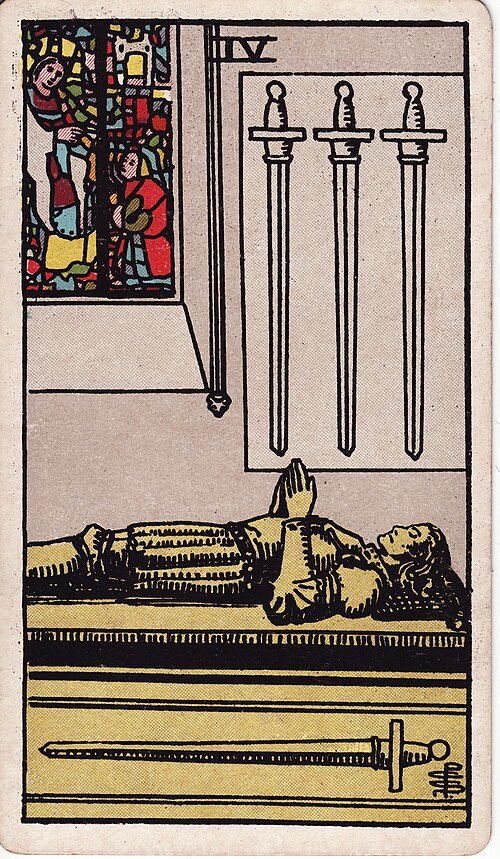 Four of Swords
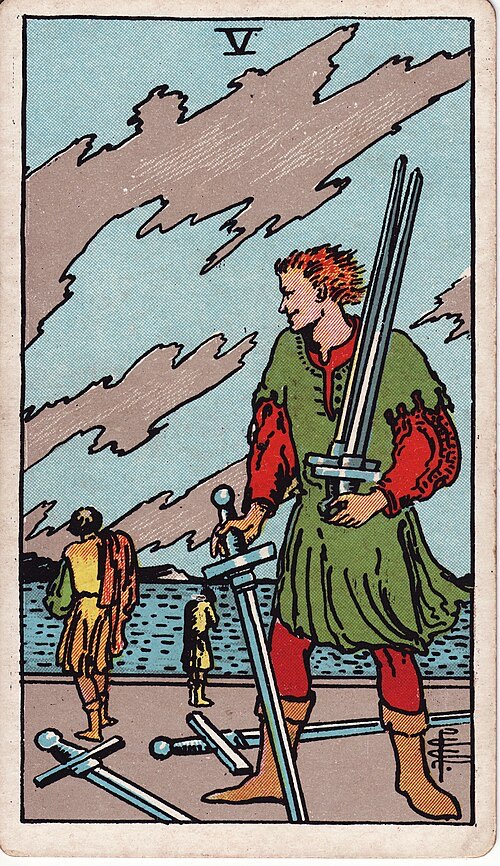 Five of Swords
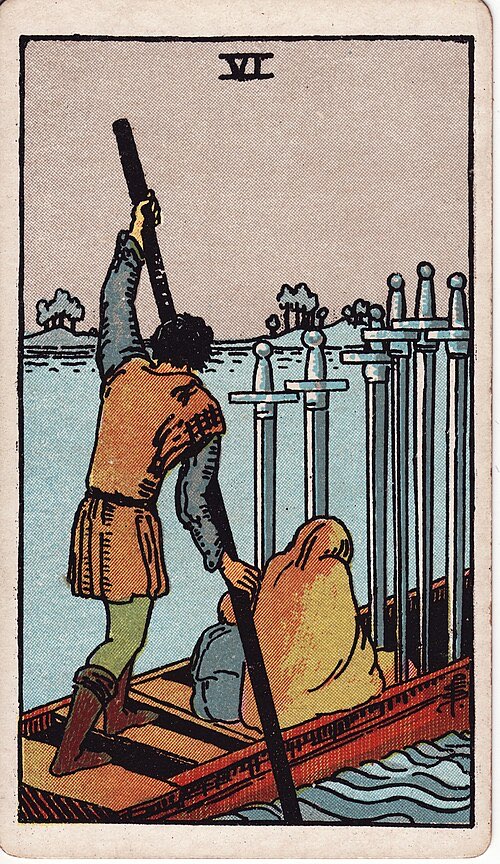 Six of Swords
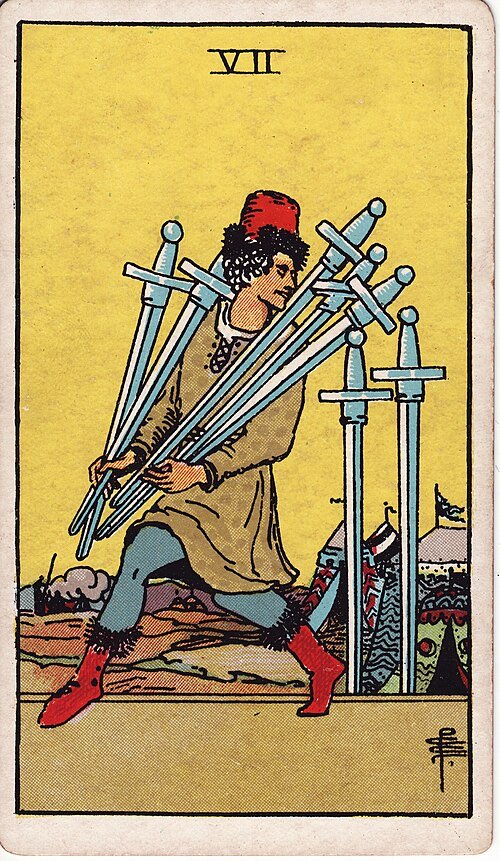 Seven of Swords
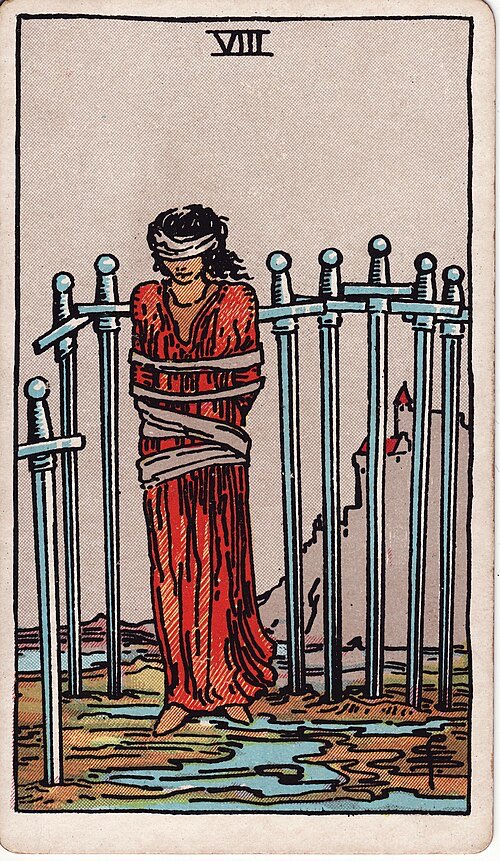 Eight of Swords
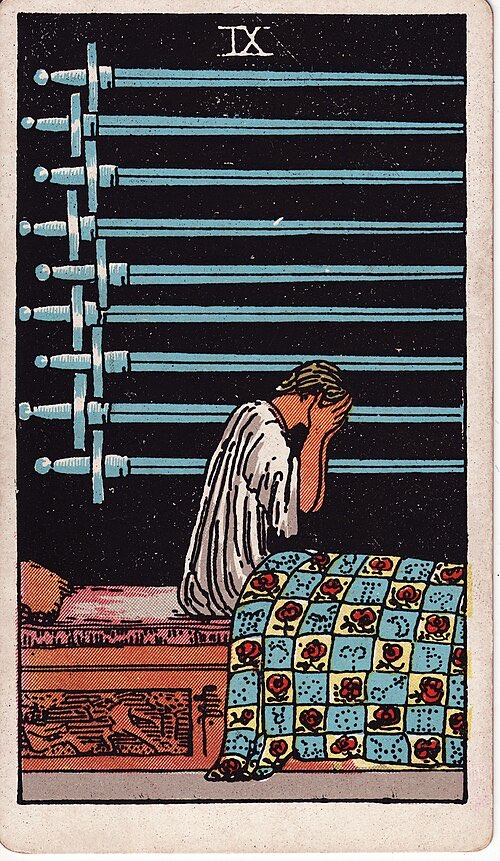 Nine of Swords
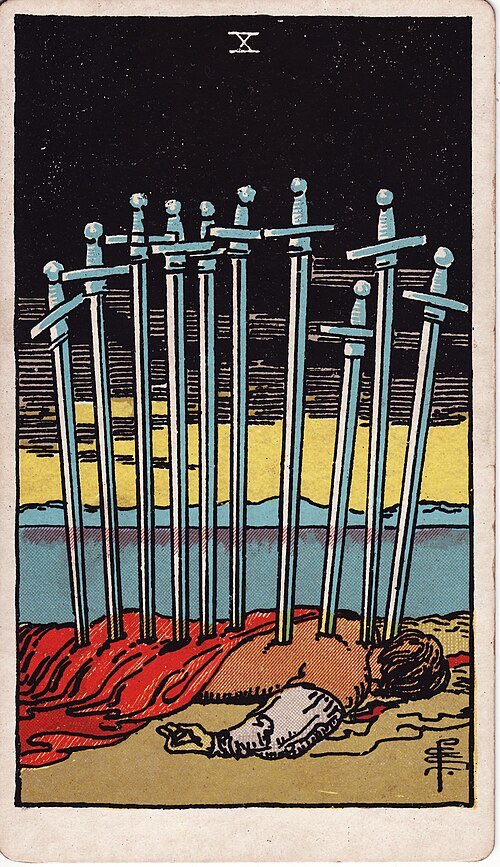 Ten of Swords
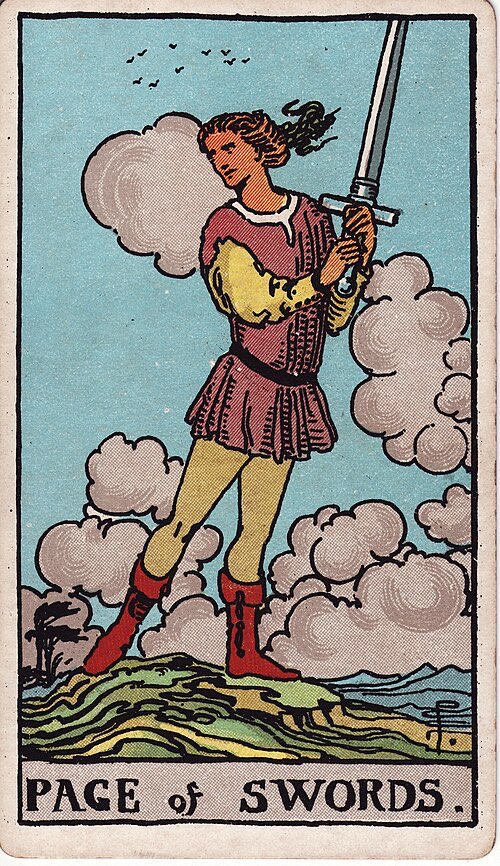 Page of Swords
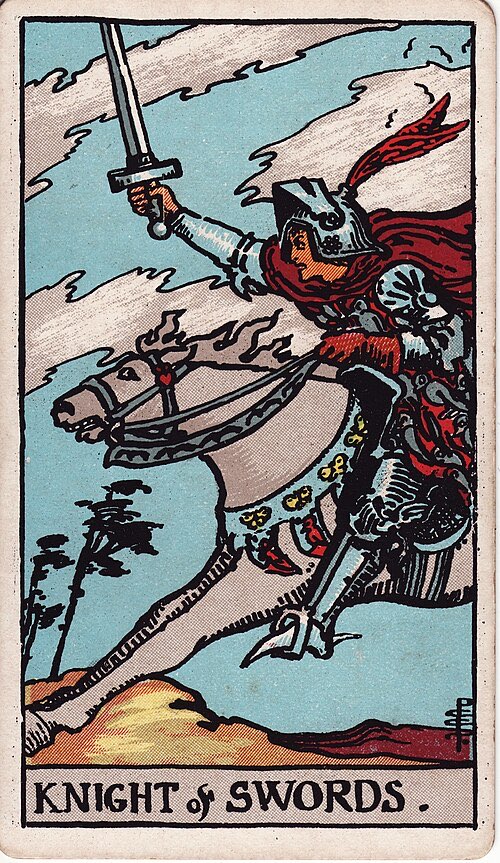 Knight of Swords
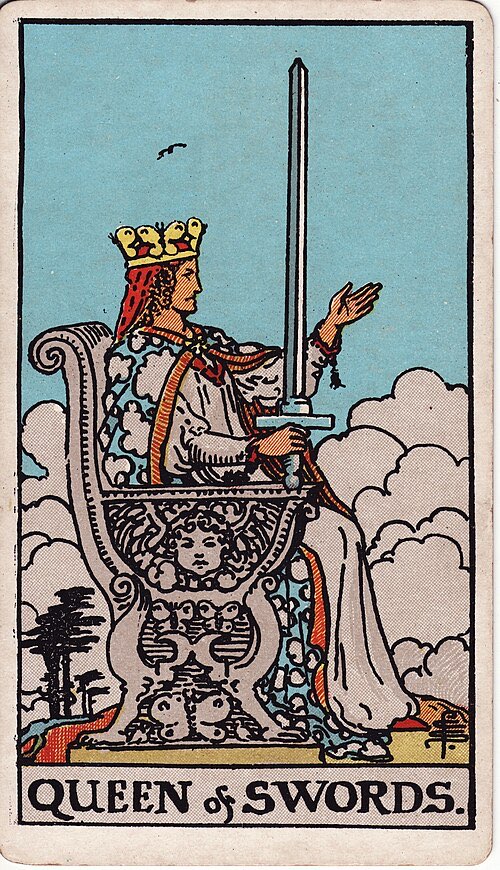 Queen of Swords
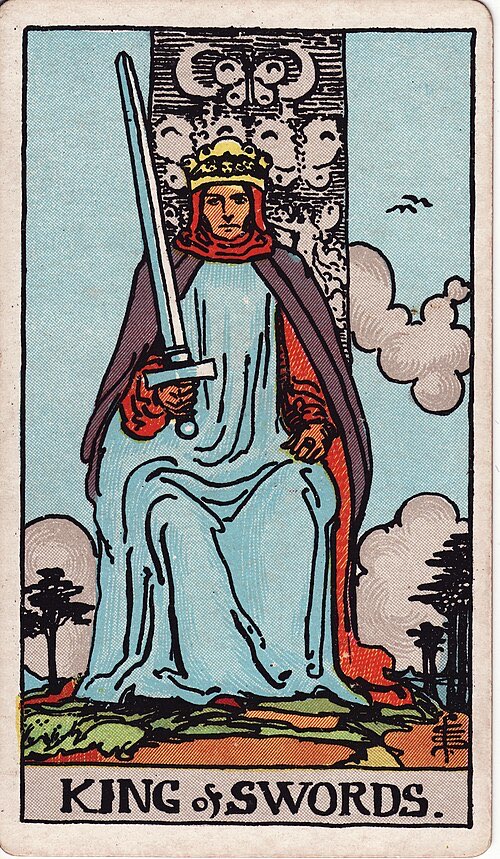 King of Swords
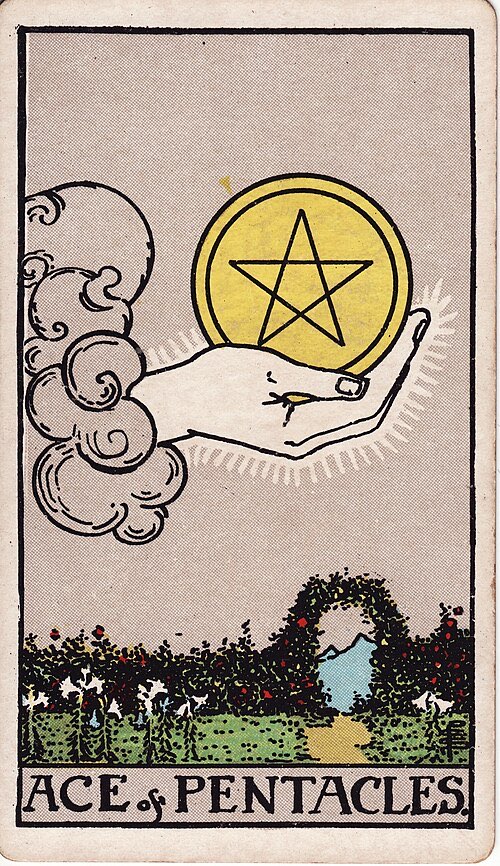 Ace of Pentacles
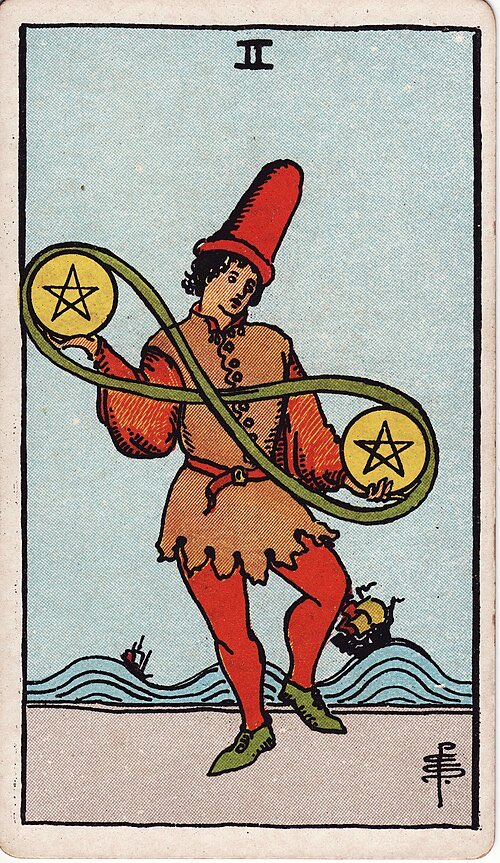 Two of Pentacles
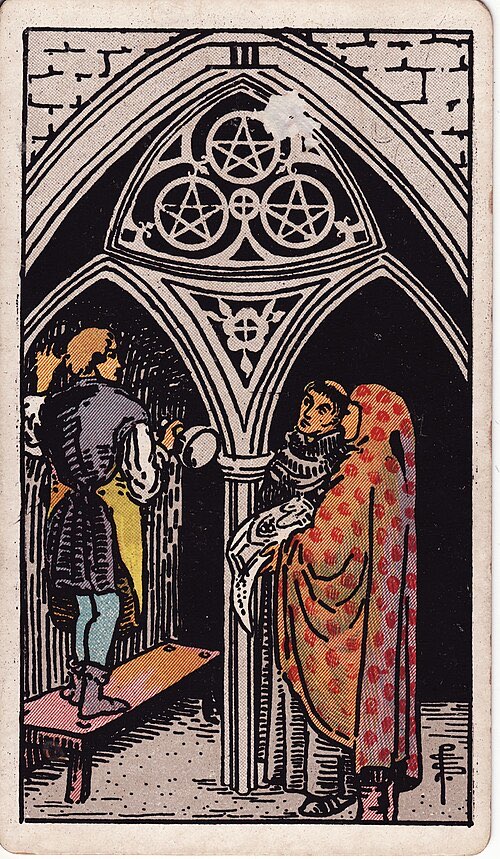 Three of Pentacles
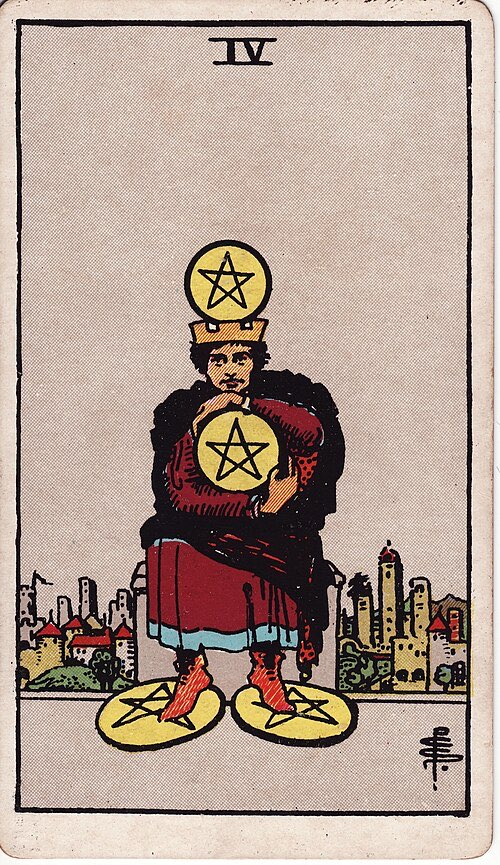 Four of Pentacles
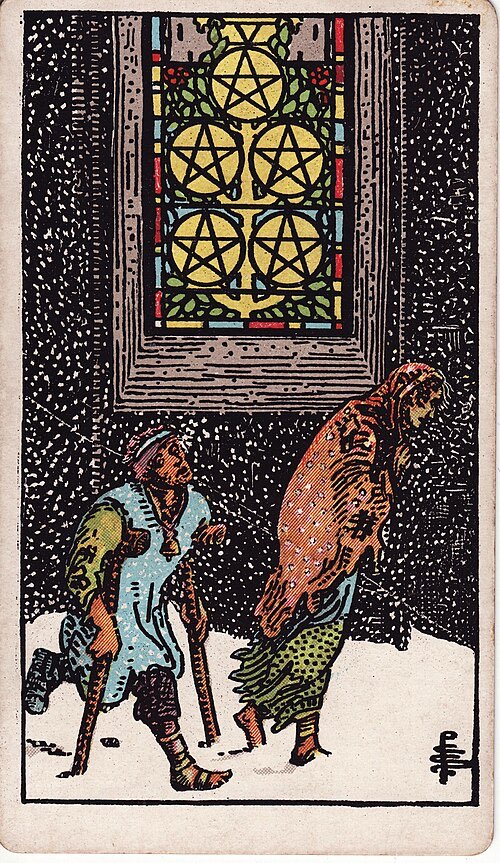 Five of Pentacles
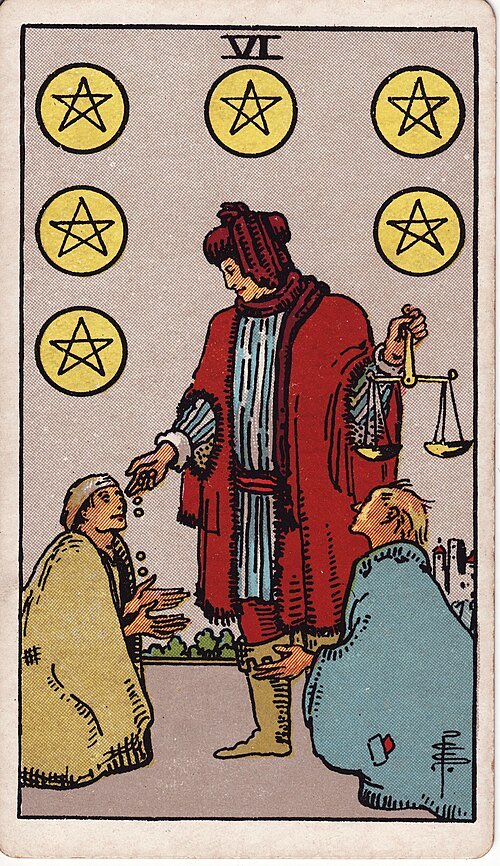 Six of Pentacles
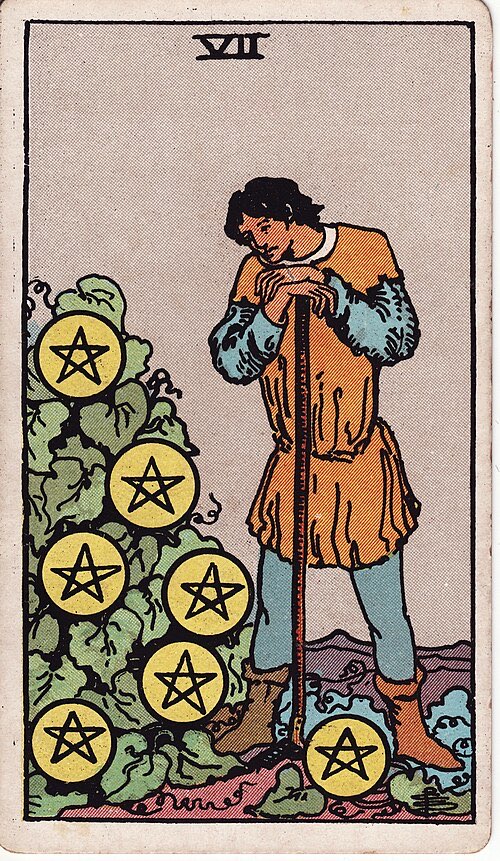 Seven of Pentacles
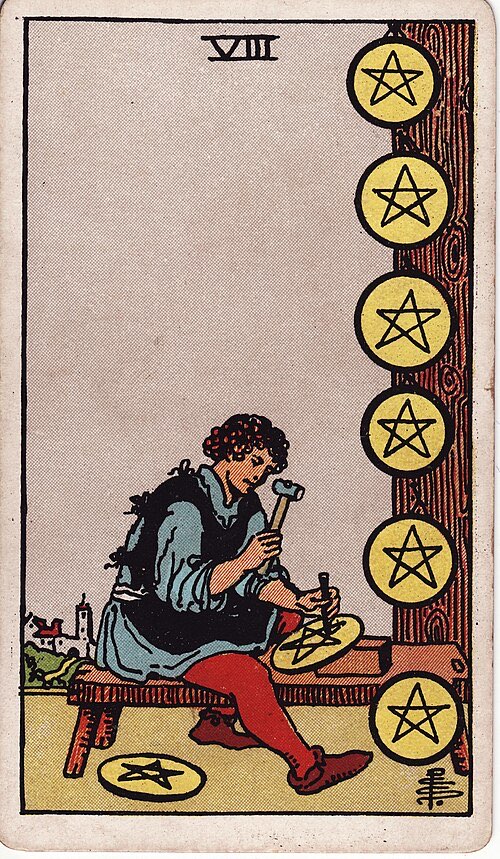 Eight of Pentacles
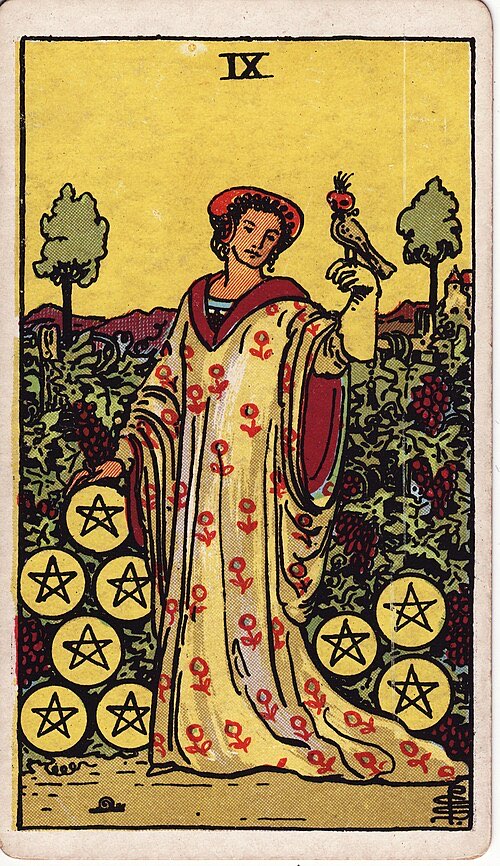 Nine of Pentacles
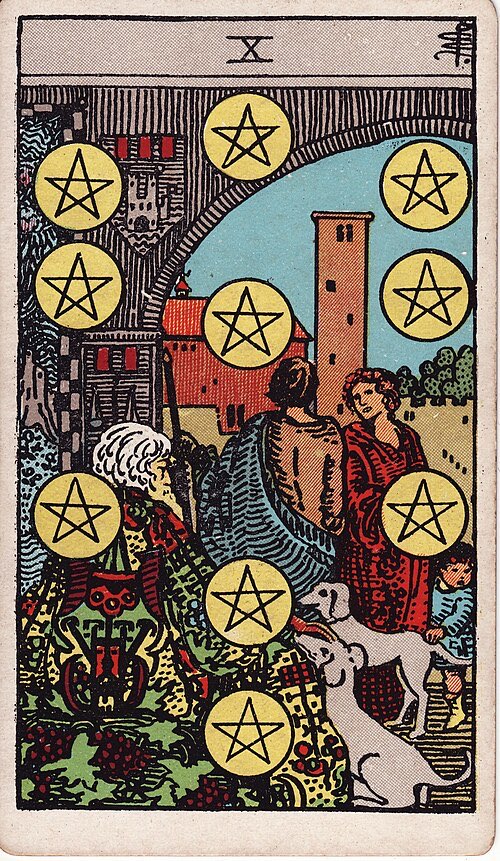 Ten of Pentacles
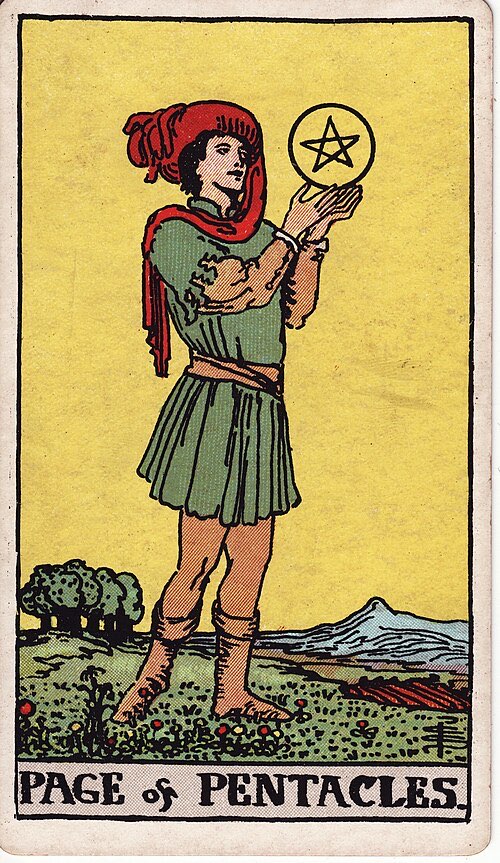 Page of Pentacles
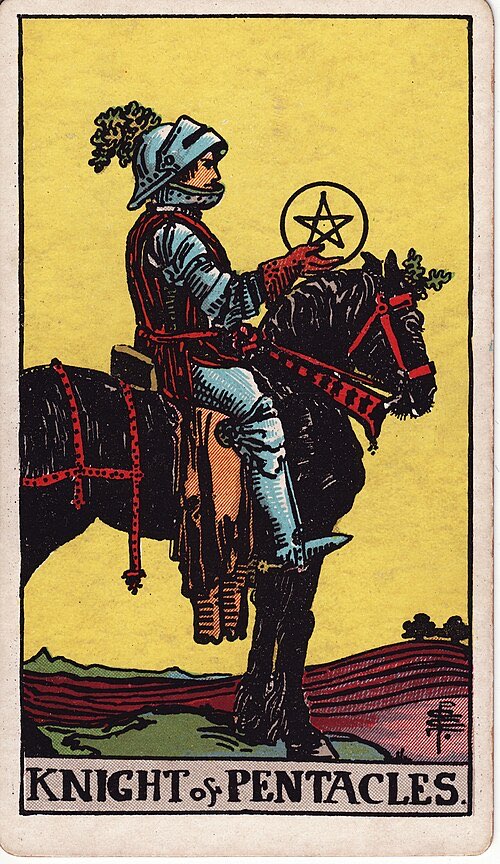 Knight of Pentacles
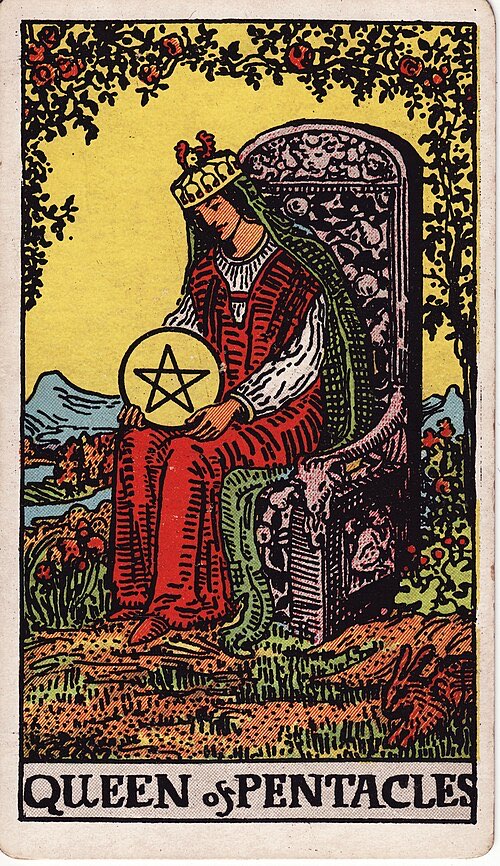 Queen of Pentacles
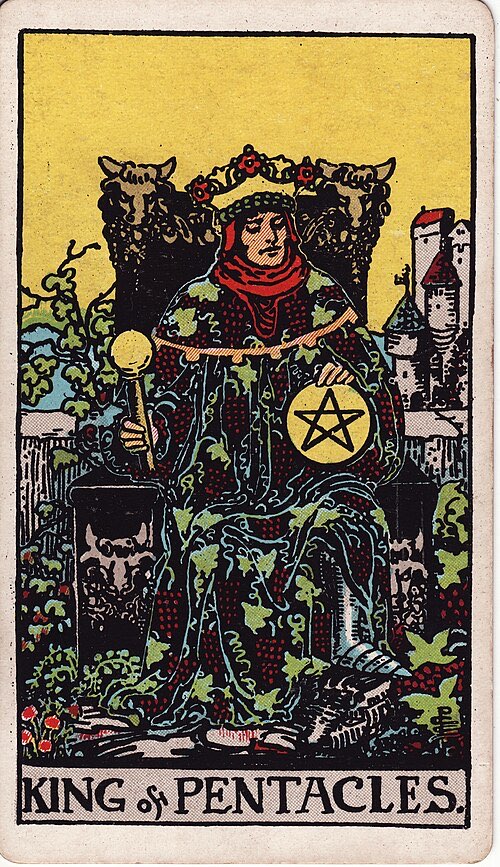 King of Pentacles
Editions & clones
Thousands of decks keep Smith's exact scenes and meanings but redraw them in a new art style. If a deck's Five of Cups shows a figure mourning spilled cups, it is an RWS clone — and it reads the same as Sage. Pick the art you love; keep the language.
Why Sage reads it
The longer history
The deck Sage reads. Published 1909, it did one thing no deck had done before — it drew a scene on all seventy-eight cards — and in doing so became the language most of the tarot world now speaks.
Three names, one deck
It was published by the Rider company, designed by the occultist Arthur Edward Waite, and — this is the part history nearly erased — illustrated by the artist Pamela Colman Smith, whose hand made the deck what it is. For decades it was called merely "Rider-Waite," Smith's name dropped; the fuller Rider-Waite-Smith (or just "RWS," or increasingly the "Waite-Smith") restores the artist who did the work everyone actually reads.
Smith's revolution — the illustrated Minors
The breakthrough was simple and total: Smith drew a full scene on every card, including the fifty-six Minors. Before RWS, the numbered Minors were bare — the Five of Cups was literally five cups in a pattern, like a playing card, and you had to supply the meaning from memory. Smith gave the Five of Cups a cloaked figure grieving over three spilled vessels while two stand upright behind him, unnoticed. Suddenly the card told a story you could read from the picture itself.
That single choice is why RWS became the modern standard, and why the overwhelming majority of decks sold today are "RWS-based" — they inherit her scenes. It is the most decodable deck ever made: the imagery does the teaching, so a beginner can read a card by looking at what's happening in it.
The hidden scaffold
Underneath the pictures runs a deliberate structure of Kabbalah, astrology, and numerology — Waite built the deck on the Golden Dawn's system of correspondences, so each card answers to a planet, sign, or path on the Tree of Life. This is why the RWS cards braid so naturally with the sky, and why Sage reads them alongside the chart rather than alone. The whole of Correspondences is only possible because RWS was built with that scaffold in the first place.
Editions & clones
The original printing has been reissued endlessly — the Pamela Colman Smith Commemorative, the Radiant and Universal recolorings, the smaller Original 1909 facsimiles. Beyond the official reprints sit thousands of clones: decks that keep Smith's exact scenes and meanings but redraw them in a new art style. If a modern deck's Five of Cups shows a figure mourning spilled cups, it's an RWS clone — and it will read the same as Sage. That interchangeability is the quiet gift of the standard: pick the art you love, keep the language.
Why Sage stays RWS-canonical
Sage reads Rider-Waite-Smith, and holds that line deliberately. Three reasons:
- It's the common tongue. RWS is the most widely learned tradition on earth, so its meanings are the shared language most readers already half-know.
- Every card is legible. Smith's fully illustrated Minors mean all 78 cards can be read on their own terms — no separate memory system required.
- It braids with the sky. The built-in astrological and numerological scaffold is exactly what lets Sage read the card and the chart together.
So every card page in The Cards, every number in The Numbers, every rank in The Court Cards, and both faces in Reversals are RWS meanings, consistently, all the way down. You can read Sage with any RWS-based deck in your hands and the two will speak the same language — a reading is only as trustworthy as the tradition it's spoken in, and Sage keeps to one.
One deck, fully pictured, braided with the sky — spoken consistently across all seventy-eight cards. That consistency is the point.
Whichever deck you hold, the card meanings are here — the whole library, RWS all the way down.